
“How soon after unprotected sex can I test for pregnancy?”. After unprotected sex, many found themselves wondering if they could get pregnant or not. Waiting for pregnancy test results can be anxiety-provoking, especially when you’re not sure exactly when to take a pregnancy test for reliable results.
It is recommended to wait at least 14 days after unprotected sex before taking a pregnancy test. In fact, it takes time for the body to produce enough hCG hormone – the factor that pregnancy tests detect.
If you’re testing too early, the results can be inaccurate, leading to a false negative and increased stress. In this article, we will explore when to take a pregnancy test after unprotected sex and the factors that influence accuracy. Read more!
How Soon After Unprotected Sex Can I Test for Pregnancy: Direct Answers
Experts suggest waiting about two weeks (14 days) after unprotected sex before taking a pregnancy test. This gives the test enough time to detect the hormone associated with early pregnancy.
If you are worried right after unprotected sex, remember that pregnancy does not happen immediately. The process takes time. It usually takes around one week for sperm to fertilize the egg, and then another week for the embryo to move into the uterus and implant.
Your body only starts making hCG (human chorionic gonadotropin) after implantation. Pregnancy tests detect this hormone in urine or blood, so you need a certain amount of hCG in your system for the test to show a positive result.
Because of this, the earliest reliable testing time is usually 14 days after unprotected vaginal sex. If your menstrual cycle is irregular, waiting 2–3 weeks can improve accuracy and reduce confusion.
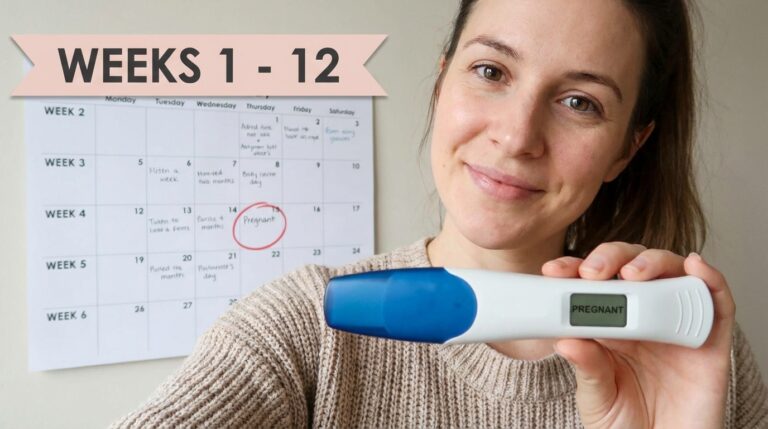
If you are trying to conceive, the first day of your missed period is considered the ideal time to take a pregnancy test, as hCG levels are usually high enough to be detected.
10 Earliest Signs Of Pregnancy After Unprotected Sex
To help you not worry about how soon after unprotected sex can I test for pregnancy, let’s take a look at the following signs of pregnancy.
Pregnancy tests offer a definitive answer, but your body might be sending you some helpful signs too! These signs can appear as early as 1 week after your conception. Though, many don’t have any sign of pregnancy after several weeks. Here’s a peek at some common early signs of pregnancy that you may experience:
- The Missing Period: This is a classic sign
- Vomiting and nausea
- Urinate frequently
- A Change in Your Appetites: Food cravings or aversions can be an early hint. Suddenly everything smells delicious, or the thought of your favorite meal makes you cringe? These taste bud shifts might be a sign of pregnancy.
- Tender and swollen breast Changes
- Nipples get darkened
- Feeling Bloated: Abdominal bloating is a common experience
- Fatigue Like Never Before: Feeling wiped out? Unusual fatigue is another early sign that some women experience.
- Light spotting on your skin
- Cramping & backaches
How Soon After Unprotected Sex Can I Test for Pregnancy: 2 Main Types
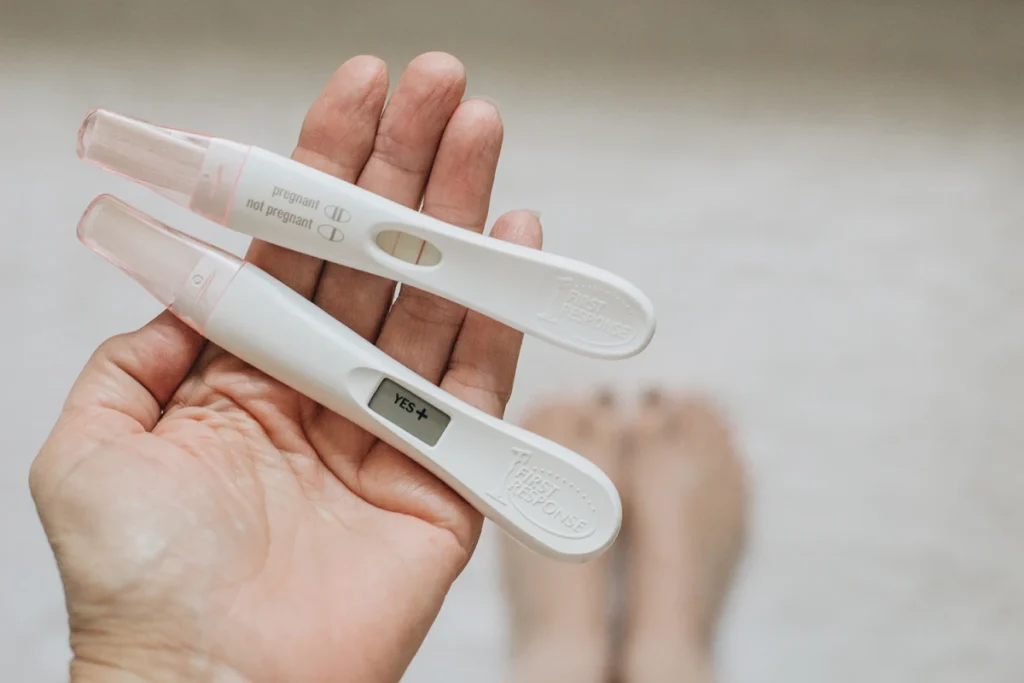
There are 2 types of pregnancy tests: Blood tests & Urine tests. Both are used to test for hCG. Let’s break down each type for you:
How does a pregnancy test work?
A pregnancy test detects the presence of hCG in your blood or urine. This hormone is produced by the placenta, which supports the baby by transferring nutrients and oxygen from your bloodstream. Levels of hCG increase significantly during the initial 12 weeks of pregnancy. After that, they will decline to lower levels for the remainder of the pregnancy.
Urine pregnancy test
A urine pregnancy test is the most common option today. You can buy it easily at any pharmacy, and it is simple to use at home. It is affordable and gives results within a few minutes. When used correctly, urine tests have an accuracy rate of about 97%, which makes them reliable for most people.
Blood pregnancy test
Blood pregnancy tests offer benefits that urine tests do not. They can detect pregnancy earlier, sometimes as early as 10 days after unprotected sex. They also have very high accuracy, often above 99%.
To take a blood pregnancy test, a healthcare professional draws blood from a vein in your arm. The sample is sent to a laboratory for testing, and the results usually take a few days. Blood tests are more sensitive because they can detect lower levels of hCG compared to urine tests. There are two types of blood tests:
- Quantitative blood test: This test measures the precise amount of hCG in the blood. It estimates how far along the pregnancy has been in the progressed.
- Qualitative blood test: This test only checks for the presence of hCG but does not measure its exact levels. As a result, it cannot provide information about the stage of gestation.
Overall, blood pregnancy tests are valued for their accuracy and ability to provide detailed information about pregnancy progression.
Unlike urine tests that you can take at home, blood tests require a clinic visit. Because they need a blood draw and lab processing, they are less convenient but generally more accurate.
How many pregnancy tests should you try?
A positive test result after you have missed your period is usually a strong sign of pregnancy. At that point, you do not need to take any additional tests. However, if you get a negative result but still notice early pregnancy symptoms, you can take another test a few days later.
The pregnancy hormone hCG increases quickly once the fertilized egg implants. In early pregnancy, hCG levels usually double every two days. Because of this rapid rise, if your next test also shows a negative result, it is very likely that you are not pregnant.
How Soon After Unprotected Sex Can I Test for Pregnancy: Best Time to Test
Testing in the morning is the best option, before you drink anything. After a full night’s sleep, your urine becomes more concentrated. This concentrated urine makes it easier for the test to detect hCG, the hormone linked to pregnancy.
You can still test later in the day, but you should wait at least three hours after your last trip to the bathroom. This gives your body enough time to concentrate your urine again, which helps improve the accuracy of your result.
What Can Affect The Results of A Pregnancy Test: 9 Key Factors
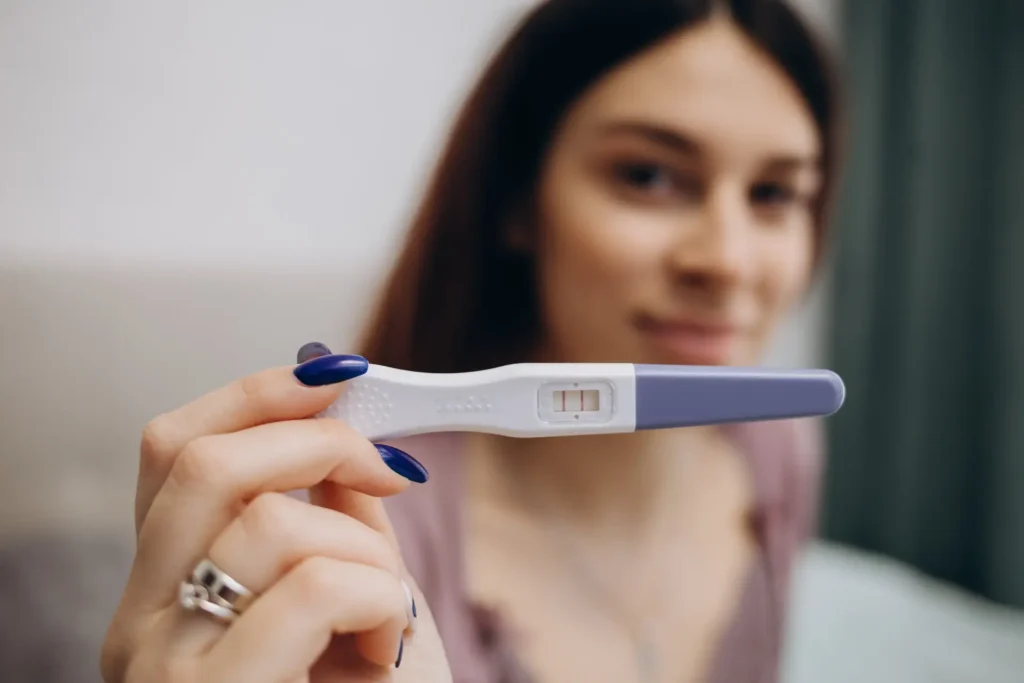
Pregnancy tests are a fantastic tool, but sometimes it’s possible to receive a false result. Here’s a breakdown of some reasons:
- Taking tests too early: Your body has not produced enough hCG, which can result in a false negative. Patience is key!
- Failed test kits: Your kits may have been exposed to moisture or heat, over-dated, or damaged
- Diluted urine: This happens when you drink too much water or other fluids before the test. Your urine will be diluted and potentially lead to a false negative.
- Using the test incorrectly: Not following the test instructions carefully, using an expired or damaged test, or checking the results too early or too late can all contribute to inaccurate results.
- Blood in the urine: Blood can interfere with the test and cause a false positive.
- Medications and transfusions: While uncommon, some medications (fertility drugs, certain antidepressants) and blood transfusions can influence your test results.
- Chemical pregnancy: This phenomenon happens when a fertilized egg implants but doesn’t develop further. Chemical pregnancy can lead to a positive test followed by a miscarriage. Too early tests will increase the chance of a false positive.
- Recent miscarriage, abortion, or birth delivery: hCG could still be detected for a couple of weeks afterward
- Medical conditions (less common): Certain medical conditions, like ovarian cysts or some cancers, can elevate hCG levels in the body, leading to a false positive.
If you have a negative test result but think you’re pregnant, make an appointment with your doctor. You will need to take a blood pregnancy test. Blood tests also help detect related health problems to avoid complications of pregnancy.
Some Common Questions
I’m sure that you have the answer to “How soon after unprotected sex can I test for pregnancy?” now. If you still have anything in mind, the information below can help.
1. What Should I Do If I Don’t Want To Be Pregnant?
Had unprotected sexual intercourse and worried about pregnancy? You don’t have to wait two weeks to find answers. Emergency contraception, known as “morning-after pills“, like Plan B (levonorgestrel), can help to stop a pregnancy even before it starts.
The sooner you take them, the more effective they are. Ideally, you should take emergency contraception within the first 3 days after unprotected sex. They can still be effective for up to 5 days afterward.
Another option is to get a copper IUD as soon as possible. When inserted within 120 hours of unprotected sex, this intrauterine device can prevent pregnancy from the recent encounter and protect against future pregnancies as long as it remains in place.
2. The test is negative, but my period is still missing. Why?
While pregnancy is the most common cause, it’s not the only one. Here’s a peek at some other explanations:
- Breastfeeding mamas
- Stressful emotion
- Obesity
- Heavyweight loss and diet: Aim for a healthy weight and balanced diet to keep things running smoothly.
- Too much exercising: Super-intense exercise routines can sometimes put your period on hold. Listen to your body and ensure a healthy balance of exercise and rest.
- Taking some special drugs
- Menopause on the horizon: As you approach menopause, your periods might become irregular or stop altogether.
Final Words
It is completely normal to feel anxious after unprotected sex. Especially if you are not ready for pregnancy or are actively monitoring your reproductive health. Waiting about 14 days not only helps you avoid false results, but also gives you peace of mind.
The question “how soon after unprotected sex can I test for pregnancy” often comes from the desire to know the results as soon as possible. But in fact, the body needs time to produce enough hCG to give accurate results. If you suspect you are pregnant or have any unusual signs, do not hesitate to see a doctor for timely medical advice and support.

![[variety of unsafe pregnancy foods including raw sushi deli meat soft cheese and raw eggs on a kitchen counter]](https://babiesparent.com/wp-content/uploads/2026/03/1_Unsafe_pregnancy_foods_202603301142-768x429.webp)