Birth giving can degrade women’s health, making them weaker and more sensitive. Then, during motherhood, they must deal with being continuously needed, touched,… Those sensory stimuli sometimes excess their ability to proceed. If you can be easily angry due to those, it may be a sign that you, as a mom, are suffering from overstimulation.
At Babies Parent, we understand this invisible mental load. Research in maternal mental health shows that sensory overload is a common experience among mothers, particularly during the early parenting years. You’re not alone in feeling this way, and importantly, experiencing overstimulation doesn’t make you a bad mother. This article about how to cope with overstimulation as a mom is tailored for you!
What is Overstimulation?
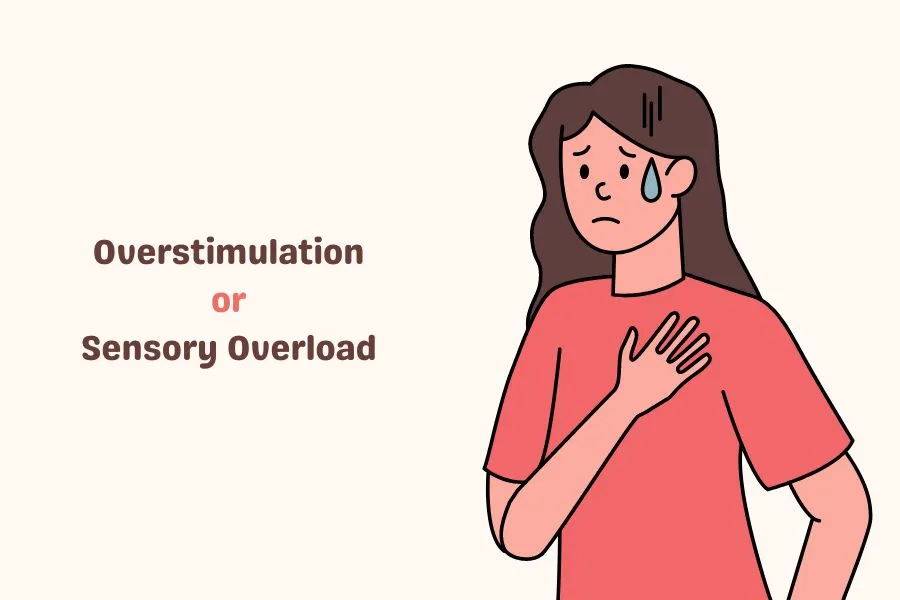
Overstimulation is referred to as sensory overload, happening when your five senses are receiving more input than your brain can deal with properly. You may feel anxious, fearful and uncomfortable when being at a crowded place, or when the TV sound is too loud.
Naturally, humans have a limitation for how much of their senses they can use and process at once. However, when becoming a mother, this signal is exacerbated, expressed by fury, fight, disassociation. So, do not feel guilty, you are not a bad mom at all.
Why Mothers Experience Overstimulation More
Motherhood creates a unique perfect storm for sensory overload. According to maternal mental health experts, several factors contribute to why mothers are particularly vulnerable:
Constant alertness: Your brain remains in a heightened state of awareness, constantly monitoring your child’s needs, safety, and well-being. This vigilance, while protective, is mentally exhausting.
Physical demands: The near-constant physical contact through breastfeeding, carrying, comforting, and playing creates what experts call “touched-out” syndrome, where your nervous system becomes overwhelmed by tactile input.
Sleep deprivation: Interrupted sleep prevents your brain from properly processing the day’s sensory information, leaving you with less capacity to handle stimuli the next day.
Identity shift: The psychological adjustment to motherhood, combined with hormonal changes, can make your nervous system more reactive to stress and sensory input.
Understanding that overstimulation has biological and psychological roots helps you recognize it’s not a personal failing but a natural response to an overwhelming situation.
Signs You’re Experiencing Overstimulation as a Mom
Recognizing overstimulation is the first step toward managing it. While every mother experiences this differently, here are common signs to watch for:
Physical symptoms:
- Tension headaches or migraines
- Tight chest or rapid heartbeat
- Clenched jaw or tense shoulders
- Feeling physically exhausted despite rest
Emotional symptoms:
- Sudden irritability or anger at small things
- Feeling like you want to run away or hide
- Crying easily or feeling emotionally numb
- Heightened anxiety or panic feelings
Behavioral symptoms:
- Snapping at your partner or children over minor issues
- Craving isolation or avoiding interaction
- Difficulty making even simple decisions
- Feeling paralyzed or unable to start tasks
Sensory symptoms:
- Sounds seem unbearably loud (crying, talking, TV)
- Lights feel too bright
- Physical touch feels uncomfortable or painful
- Strong aversion to smells or textures
If you’re experiencing several of these symptoms regularly, you’re likely dealing with sensory overload. The good news is that recognizing these patterns empowers you to take action.
10 Tips to Fight Overstimulation as a Mom
Now you are aware of your symptoms, and here are ways to cope with overstimulation as a mom.
1. Put less on your plan
A schedule full of unfinished tasks easily triggers stress, then exacerbates overstimulation. Prioritizing things and dividing them into a longer timeline can give you more space to recharge and proceed with mental workload.
As a mom, you may force yourself to do more and better, but remember to value your mental well-being by not handling too much at once to lessen sensory overload.
2. Stop Multitasking
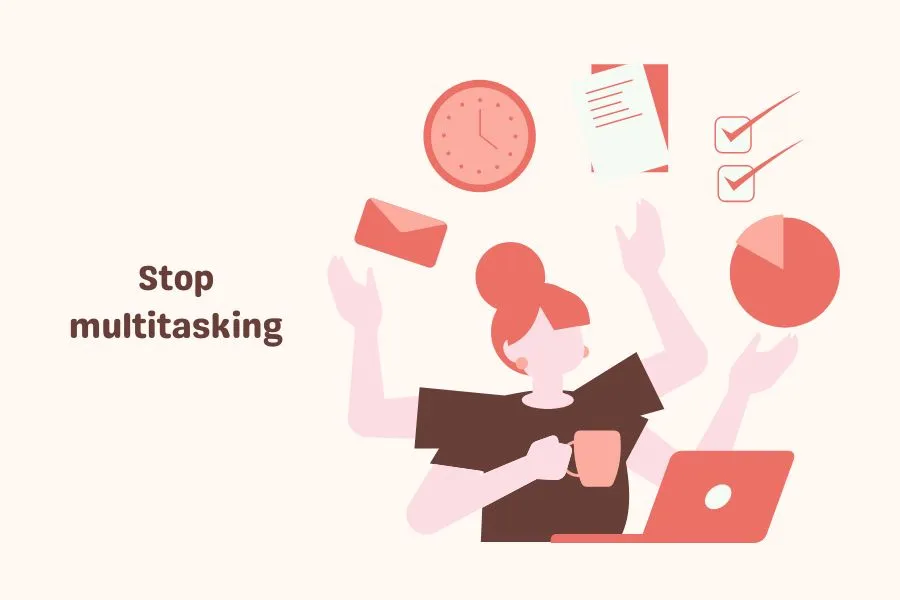
It is true that all moms are “wonder women” due to their ability to multitask. However, multitasking distracts concentration, putting much more workload on our sensory processing.
This is why when we have kids, you easily become agitated and irritable. You still take care of your own business while putting an eye on those naughty guys. Therefore, you should not be too multitasking at once, allowing sensory interruptions to generally cope with overstimulation.
3. Enjoy quiet moments
Being close to your family and kids is absolutely good. But you are an independent human, you need your own time and space. Each day, do not forget to spend some moments just for yourself. It may be meditation, a proper skincare routine, or training at a yoga class. A few moments throughout a day just being yourself and not dependent on anyone can have a good impact on sensory overload.
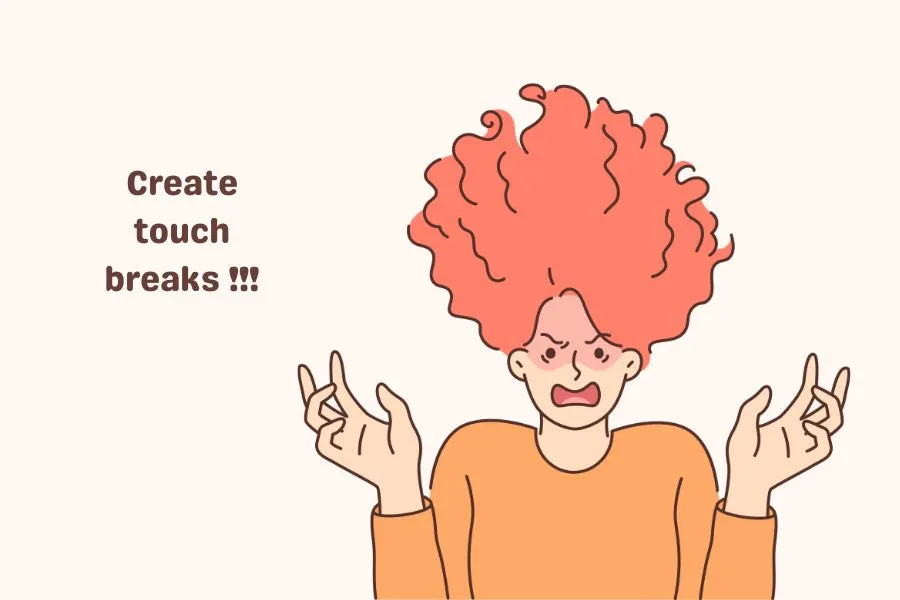
4. Create touch breaks
Mom may be under pressure of being touched-out, especially when their babies constantly demand breastfeeding, being hugged and climbed on. Moms, therefore, may be afraid of being touched by anyone, even their spouses.
It is the time for touch breaks. This is a quite sensitive topic, so stay sincere to tell your family about your stress of too much touch, although you love them and value their affection. They will, definitely, sympathize and support you.
5. Make sleep count
Not only mothers but also everyone suffers from stress due to lack of sleep. Overstimulation may cause insomnia and prevent you from getting good rest1. However, for the sake of your sensory overload, you need to prioritize your sleep, although it is very difficult. Try to establish a consistent bedtime routine, turn off your devices 1 hour in advance, then meditate or read some pages of a book to make your mind refreshed.
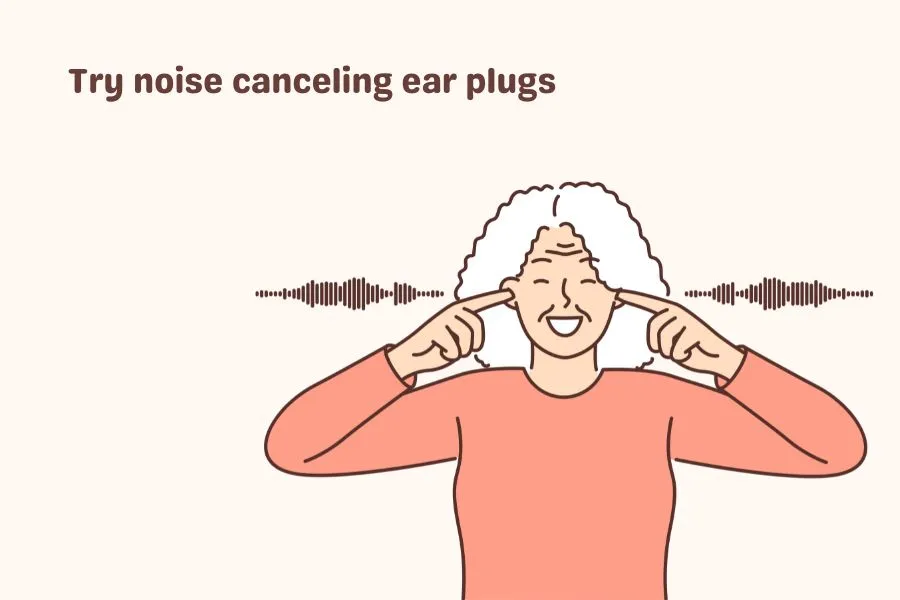
6. Use noise canceling ear plugs
Overstimulated mom’s brain can be partly healed by noise canceling earplugs. You can still listen to others and join conversations, but it is worth it that those ear plugs lessen the noises from the environment and devices. You can also try some noise canceling earbuds in some moments of the day, for example during a short nap at the end of the morning.
7. Practice self-care
Remembering and maintaining self-care tips is a good way to isolate yourself from annoying stuff by focusing on what you like and what is good for your well-being. Your overstimulation will be eased and smoothened during the time, giving you more space to refresh.
Always take care of yourself, like the way you care about your family and kids.
8. Stay away from electronic devices
In this digital era, we seem not to live properly without digital technology. Working, studying, staying connected to others, paying bills,… all can be done via smartphones or laptops.
Technology is powerful but can have bigger negative impacts on your sensory overload during motherhood. Too much information as an input requires more effort of the brain to process. In another case, you may be in a bad mood or feel anxious after surfing your social media feeds. Minimizing your time on the Internet is a good way to cope with overstimulation as a mom.
9. Be open-minded and seek help
It is recommended that you are open to sharing with your family, your spouse and your kids about you dealing with overstimulation. Tell them your symptoms of sensory overload and such unstable feelings. They will understand, sympathize and pamper your well-being more than ever.
10. Have professional consultation
If overstimulation happens for such a long time, you should consider visiting a doctor for an examination and consultation. Based on your actual symptoms and situations, the therapist can tailor a suitable treatment regime with prescribed doses if necessary.

When to seek help immediately:
While overstimulation is common, certain signs indicate you should reach out to a healthcare provider promptly. According to the American Psychological Association, contact a mental health professional if you experience thoughts of harming yourself or your baby, inability to care for your baby’s basic needs, or symptoms that persist despite trying coping strategies for several weeks. Postpartum depression and anxiety can amplify overstimulation, and early intervention makes a significant difference.
FAQs
No, overstimulation and postpartum depression (PPD) are different, though they can overlap. Overstimulation is primarily a sensory response to excessive input, while PPD is a mood disorder with persistent sadness, hopelessness, and lack of interest in activities. However, chronic overstimulation can contribute to or worsen postpartum depression. If your symptoms persist or worsen despite coping strategies, consult your healthcare provider to rule out PPD.
The duration varies by individual and circumstances. Many mothers find overstimulation peaks during the newborn and infant stages when demands are most intense, then gradually improves as children become more independent. However, some mothers experience ongoing sensory sensitivity, especially those with multiple young children. Implementing coping strategies can significantly reduce symptoms regardless of your child’s age.
Yes, any primary caregiver can experience overstimulation, regardless of gender. Partners who are actively involved in childcare can also feel sensory overload from constant demands, noise, and touch. The same coping strategies apply, and recognizing this as a shared experience can help couples support each other better.
Absolutely. This “touched-out” feeling is extremely common among mothers and is a natural response to constant physical contact. Your nervous system simply needs a break from tactile stimulation. Communicating this need to your partner without guilt is healthy and necessary for your wellbeing.
Conclusion
Experiencing overstimulation as a mother is not a sign of weakness or failure. It’s a natural response to the intense sensory and emotional demands of caring for young children. Your feelings are valid, and acknowledging them is the first step toward managing them effectively. The strategies outlined here offer practical ways to reclaim your mental space and emotional balance. Remember, taking care of your sensory needs isn’t selfish – it’s essential for your wellbeing and your ability to be present for your family. Start with one or two strategies that resonate most with you, and be patient with yourself as you learn what works. You’re doing an incredible job, and you deserve support and understanding, especially from yourself.
Sources
- Dimitriu, A. (2023a) Trauma and sleep, Sleep Foundation. Available at: https://www.sleepfoundation.org/mental-health/trauma-and-sleep ↩︎