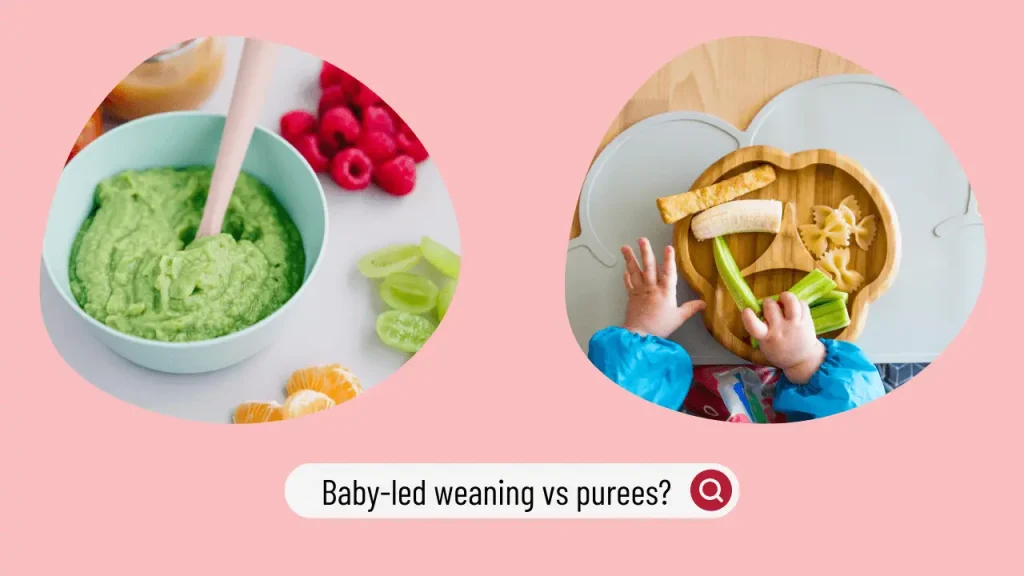
Babies have many first important milestones during their first few years of life. Weaning is one of the important milestones that babies have to learn in their first year. Now, all parents should know there are two feeding approaches: baby-led weaning and purees. So which feeding method is better?
Neither baby-led weaning (BLW) nor purees is definitively “better”; both are safe ways to start solids, focusing on either self-feeding soft finger foods (BLW) or caregiver-led spoon-feeding of mashed/blended foods, though many families successfully combine them for flexibility, promoting independence and skill development through either method when done correctly. BLW encourages chewing and self-regulation of hunger, while purees offer more control over intake, but a mix exposes babies to textures and flavors, allowing them to learn at their own pace.
What Are Baby-led Weaning and Purees?
Purees
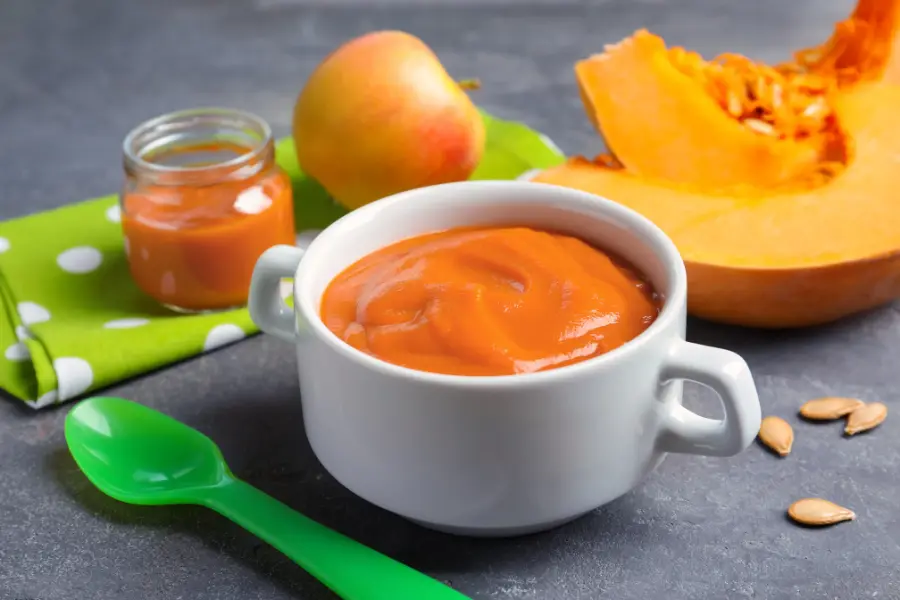
Purees is a traditional weaning method that most parents know and have try to feed their children many times. When the babies reach the age of weaning, the parents will start feeding the baby with weaning flour mixed with other minced foods such as vegetables, fish, meat, cinnamon, etc. And when the baby turns teething age, the parents will let their babies eat porridge and other soft side foods. Nowadays, many parents think that traditional weaning methods are no longer suitable with modern trends, but many children are still fed this way.
Baby-led Weaning
Baby Led Weaning (abbreviated: BLW) is an independent weaning method that parents only provide food and then let the baby choose the food they like. Your baby can decide on the amount of food and the speed of the meal. In this method, children have the right to eat or not eat a certain dish based on their personal preferences. Children can pick up food with their hands or use a spoon or fork to eat without any intervention from their parents. Self- directed weaning is a weaning method in which parents respect their child’s decisions throughout the eating process and the baby will explore and enjoy foods according to his or her wishes. This approach is a very modern type of weaning derived from Western countries and has only recently become popular all over the world.
Comparisons Between Baby-led Weaning and Purees
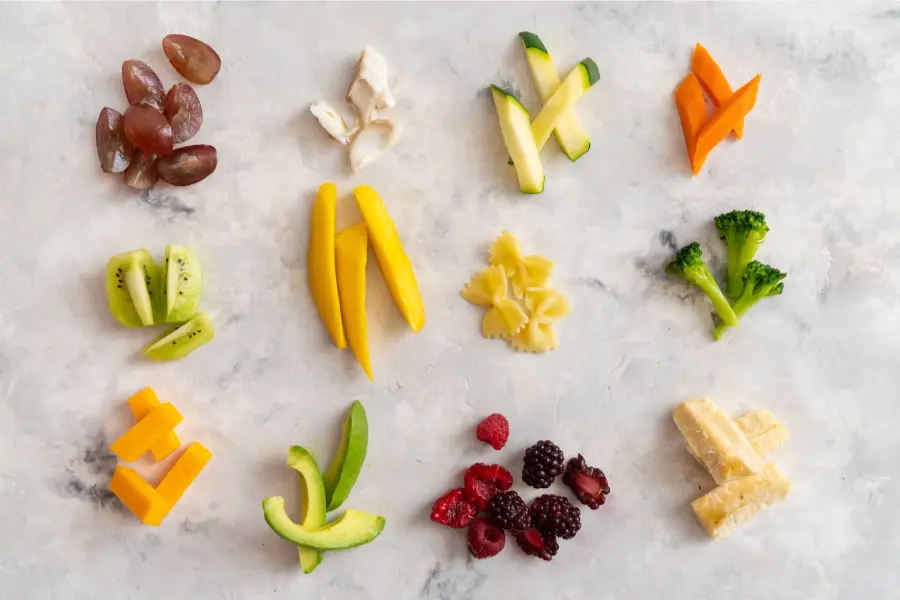
No matter the method, the goal of BLW and purees is to transition the baby to eating solid table foods and to fill in nutrition gaps between roughly 6 and 12 months. Two feeding methods have some similar points. However, they still have differences and result in different pros and cons.
Both methods share the same starting line (around 6 months), the same daily milk floor (400 to 500 ml of breastmilk or formula), and the same goal: a varied solid-food diet by the first birthday. The differences show up in how the meal happens and what the baby walks away having practiced.
Baby-led Weaning: Pros
- Builds independence and self-feeding skill from the first meal.
- Supports oral-motor and fine-motor development through chewing and the pincer grasp.
- Lets baby self-regulate hunger and fullness rather than finish a pre-portioned spoon.
- Exposes baby to real food textures and family flavors from day one.
- Pulls baby into family mealtimes instead of a separate feeding routine.
Baby-led Weaning: Cons
- Mealtimes are messy and food waste is higher in the first weeks.
- Harder to track exact intake, which can worry parents during slow weight-gain phases.
- Requires careful food sizing and constant supervision because choking anxiety is real.
- Iron-rich foods need to be planned deliberately, since baby may not eat enough on the first tries.
Purees: Pros
- Easier to monitor how much baby is actually eating.
- Smoother sensory transition from milk for cautious eaters.
- Lower choking anxiety for first-time parents.
- Less mess and easier to manage in public or on the go.
- Works well when baby has a medical reason to gain weight steadily.
Through the comparison between the two feeding approaches above, BLW seems to have more advantages than the spoon-feeding method. Infants who followed the BLW method tended to have more diverse diets after six months of age. They were also more likely to eat foods from the family table compared to children who were fed traditionally with a spoon. Mothers who used BLW found it calm for both them and the child to eat independently through their children
For children, eating independently enhances a child’s sensory development and pays their attention to the foods being offered, rather than the person who serves the food. Children who have a chance to eat freely not only improve their nutritional self-feeding abilities but also develop their precision in grasping food and motor coordination. These babies become active in the entire eating process, unlike infants who don’t have an opportunity to eat food independently and remain passive during feeding. Moreover, this approach fosters healthier food preferences, as infants are exposed to a wider variety of foods and learn by participating in family meals.1
Combination Feeding: The Best of Both
You do not have to pick a side. Most pediatric guidance treats baby-led weaning and purees as two ends of the same shelf, with combination (or “combo”) feeding sitting comfortably in the middle. The same family can spoon-feed a smooth puree at breakfast and put soft finger foods on the tray at dinner, and many do, especially in the first month of solids when both parents and baby are still learning.
A practical combo routine usually looks like this. Start with a few spoonfuls of iron-fortified puree to make sure baby gets a reliable mineral hit. Then put 2 or 3 soft, pea-sized pieces of the same food (or a different food from the family meal) on the tray so baby can self-feed at their own pace. The pre-loaded spoon is a useful bridge: a parent loads the spoon and hands it over for baby to bring to their own mouth, which keeps the self-feeding skill active without losing intake control.
Combo also lowers two common worries at once: it gives parents who fear choking a smoother on-ramp, and it gives parents who fear picky eating a real-texture menu from the start. Neither method is medically better than the other, so the right mix is the one that fits your baby, your family mealtime rhythm, and your own comfort with mess. As baby chewing and pincer grasp mature (usually between 8 and 10 months), most combo families naturally drift toward more finger foods and fewer purees.
How To Change From Purees To Baby-led Weaning?
Babies have to self-feed with purees in order to get used to the process. Parents can pre-load a spoon to make it easier for them. Then, parents will offer a combination of purees and baby-led weaning table foods to allow your baby to get used to the new feeding method. Parents also try serving both types at the same meal, or doing one meal with purees and one meal table foods.
Depending on your baby’s age and developmental stage, parents will serve foods in safe sizes that promote self-feeding. Moreover, they have to ensure all foods are soft enough to squish between their babies’ fingers and thumb.
Foods to Avoid (Both Methods)
Even if parents are using one of the two feeding approaches above, both methods are simply weaning. Therefore, the foods that both methods need to avoid are almost the same. And here are some foods that we think babies should avoid or even do not wean.
Reports of heavy metals in baby foods are not regularly updated2. Therefore, reading this type of news could be scary to parents. However, there are steps parents can notice to reduce heavy metal exposure.
Some crops such as rice3 and root vegetables naturally contain heavy metals which are found in the soil they were grown in. That means we can’t completely eliminate them. So to reduce exposure, parents should lower the use of rice products if possible and feed your babies a variety of food groups, such as the following:
- Cereals made from grains such as oats
- Snacks made at home using whole ingredients
- Avocados, apples, bananas, and other fruits (but skip the fruit juice)
When parents start to train your babies try to wean, these are some food that babies should avoid common choking hazards such as:
- Dried fruit like raisins
- Hot dogs and sausage links
- Loose corn kernels
- Popcorn
- Raw baby carrots
- Raw apple chunks
- Sticky nut butters
- Whole grapes
- Whole blueberries
- Whole nuts and seeds
Moreover, when starting to wean, parents need to know that some kinds of food are not appropriate for babies who are only 6 months old and less than 1 year old. For example:
- Honey: It can cause botulism if introduced too early.
- Cow’s milk (as a drink): Using breast milk and formula as a primary beverage until your baby is 1 years old. But it is fine to use cow’s milk, cheese and yogurt in cooking or baking for babies.
- Choking hazards: Don’t use choking hazards such as nuts, seeds, raisins, hard candy, grapes, hard raw vegetables, popcorn, chunky peanut butter, and hot dogs during your baby’s first year.
The important thing is that as a precaution, parents must always stay with your baby while they eat to ensure they’re sitting up and not choking. And if necessary, it is best for parents to ask for advice and guidance from a pediatrician to choose the right food for their baby.
Key Nutrients to Include
Although the majority of nutrition will still come from breast milk or formula, babies should absorb nutrient-dense solid foods and should provide additional sources of iron, protein, fiber, and healthy fats while they wean.
Iron-rich foods
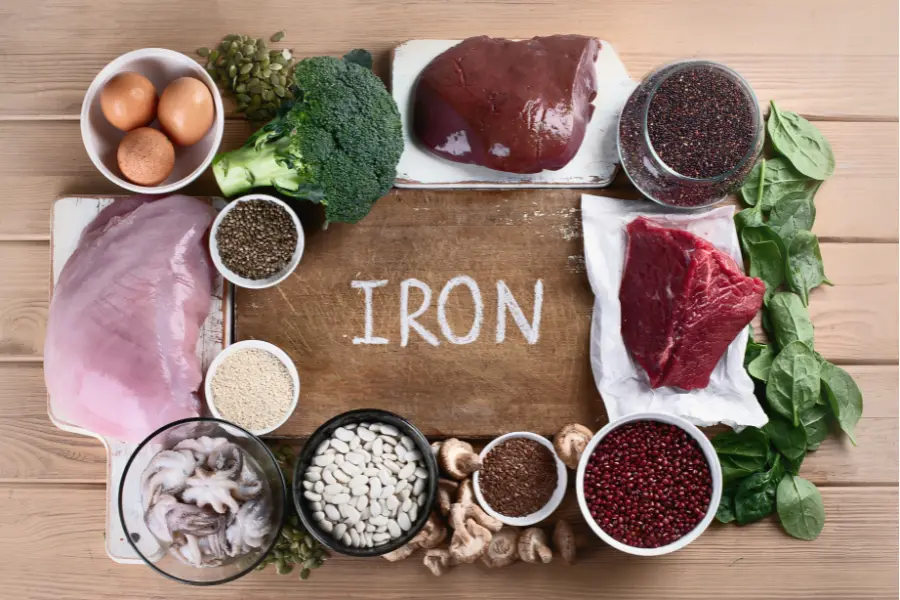
Iron carries red blood cells containing oxygen throughout the body. So this mineral is especially important during times of infants’ rapid growth. There are some foods which contain iron to help meet your baby’s iron needs:
- Beans
- Eggs
- Fortified breakfast cereal
- Lentils
- Poultry (chicken, turkey)
- Red meat (beef, pork)
- Seafood
- Tofu
Parents should combine iron-rich meals with vitamin C-containing foods (such as citrus, strawberries, kiwi, tomato, and dark green vegetables) so babies absorb iron best.
Protein-rich foods
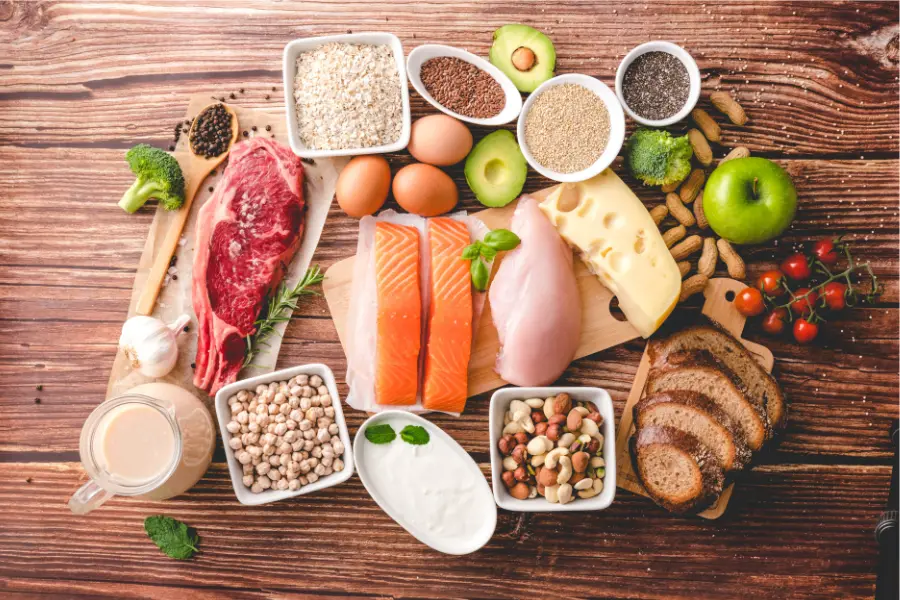
Protein is essential for the rapid growth that occurs during infancy. It supports muscle and other body tissues, forms enzymes for bodily functions like digestion and enhances the immune system. Beside breastmilk and formula, parents should add extra protein during the first year and consider meals made from foods such as:
- Cheese
- Green, leafy vegetables
- Nut butter (thinly mixed into other purees)
- Whole grains
- Yogurt
- Beans, fish, lentils, poultry (chicken, turkey), red meat (beef, pork), tofu not only contain rich iron but also protein.
Fat-rich foods
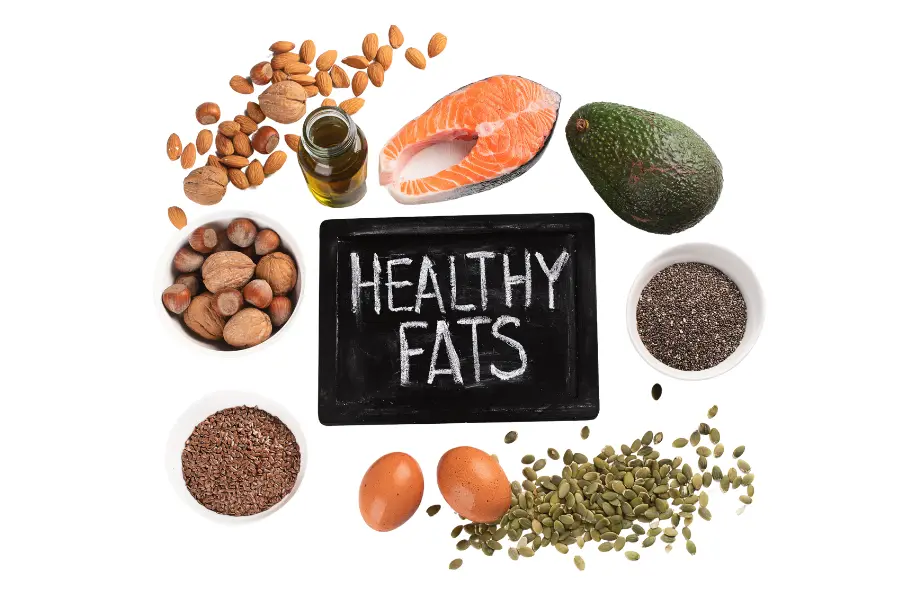
Fat provides vital energy for babies and underpins the development of the brain and central nervous system.Several fats are necessary such as linoleic acid (LA), omega-3 fatty acids, and omega-6 fatty acid. They must be obtained from dietary sources as they are not made by the body. To provide enough your baby’s fat needs, parents consider these following foods:
- Avocado
- Butter
- Chia seeds
- Fish
- Full-fat yogurt
- Ground flaxseeds
- Nut butter (always mixed thinly to mitigate choking hazard)
- Olive oil
Fruits & vegetables
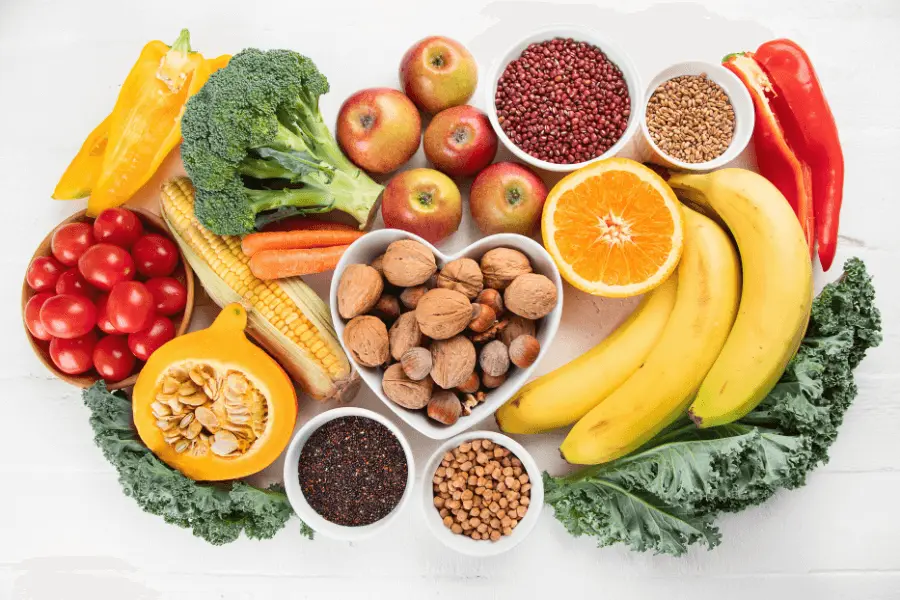
Last but not least, fruits and vegetables are good choices to feed your infant. They contain essential vitamins, fiber, antioxidants, and minerals, and they aid babies to taste an array of flavors and help them accept diverse foods later in life.
Fiber is essential for a baby’s digestion. Many of the baby prepacks (like crackers or boxed foods) and all animal-based foods are deficient in fiber. Below are some various fruits and veggies that is suitable to wean such as:
- Apples
- Avocado
- Banana
- Blueberries
- Broccoli
- Butternut squash
- Cantaloupe
- Carrots
- Cauliflower
- Cherries
- Cucumbers
- Grapes
- Kiwi
- Mango
- Peaches
- Pears
- Plums
- Potatoes
- Pumpkin
- Raspberries
- Strawberries
- Sweet potatoes
- Tomatoes
- Watermelon
- Zucchini
Quick Answers for Parents
Can BLW replace purees completely?
Yes, baby-led weaning is designed to skip purees entirely. As long as foods are soft enough to squish between your finger and thumb, cut to safe sizes, and baby is at least 6 months old and showing readiness cues, BLW alone meets a healthy baby intake needs. Many families still choose to mix in purees for convenience, but it is not nutritionally required.
Can I skip purees and start solids?
You can. The basic idea of baby-led weaning is to skip purees, mashed-up fruit, and rice cereal and let baby self-feed soft finger foods from around 6 months of age, sitting upright in a highchair with food from the family meal. Make sure the readiness cues (sitting with support, lost tongue-thrust reflex, interest in food) are met before starting.
Does BLW mean no purees?
Strictly speaking, traditional BLW skips spoon-fed purees in favor of finger foods. In practice, most pediatric guidance treats combination feeding (some purees, some finger foods) as equally valid, so “no purees ever” is not a rule. A pre-loaded spoon, where baby brings the spoon to their own mouth, fits naturally inside a BLW approach.
Is pureed food better for constipation?
Purees themselves are not a constipation cure. What matters is fiber and fluid, and whole soft fruits like pears, prunes, peaches, or kiwi (offered as finger food or as a puree) help things move along. Low-fiber purees made mostly of rice cereal or banana can do the opposite, so check what the puree actually contains rather than assuming the texture is the fix.
Closing Thoughts
Choosing a feeding method depends greatly on the child’s health status, interests, development, etc. And no matter what method parents choose, they need to pay attention to nutritional ingredients, food size, etc. Children’s eating is never simple, but don’t feel discouraged and give up because of that. If necessary, don’t hesitate to ask your pediatrician to get your questions answered about your kids.
Sources
- Białek-Dratwa A, Soczewka M, Grajek M, Szczepańska E, Kowalski O. Use of the baby-led weaning (BLW) method in complementary feeding of the infant—a cross-sectional study of mothers using and not using the BLW method. Nutrients. (2022) 14(12):2372. 10.3390/nu14122372 ↩︎
- Consumer Reports (2021). Congressional Report Finds More Problems With Heavy Metals in Baby Food. ↩︎
- TatahMentan, M., Nyachoti, S., Scott, L., Phan, N., Okwori, F. O., Felemban, N., & Godebo, T. R. (2020). Toxic and Essential Elements in Rice and Other Grains from the United States and Other Countries. ↩︎