
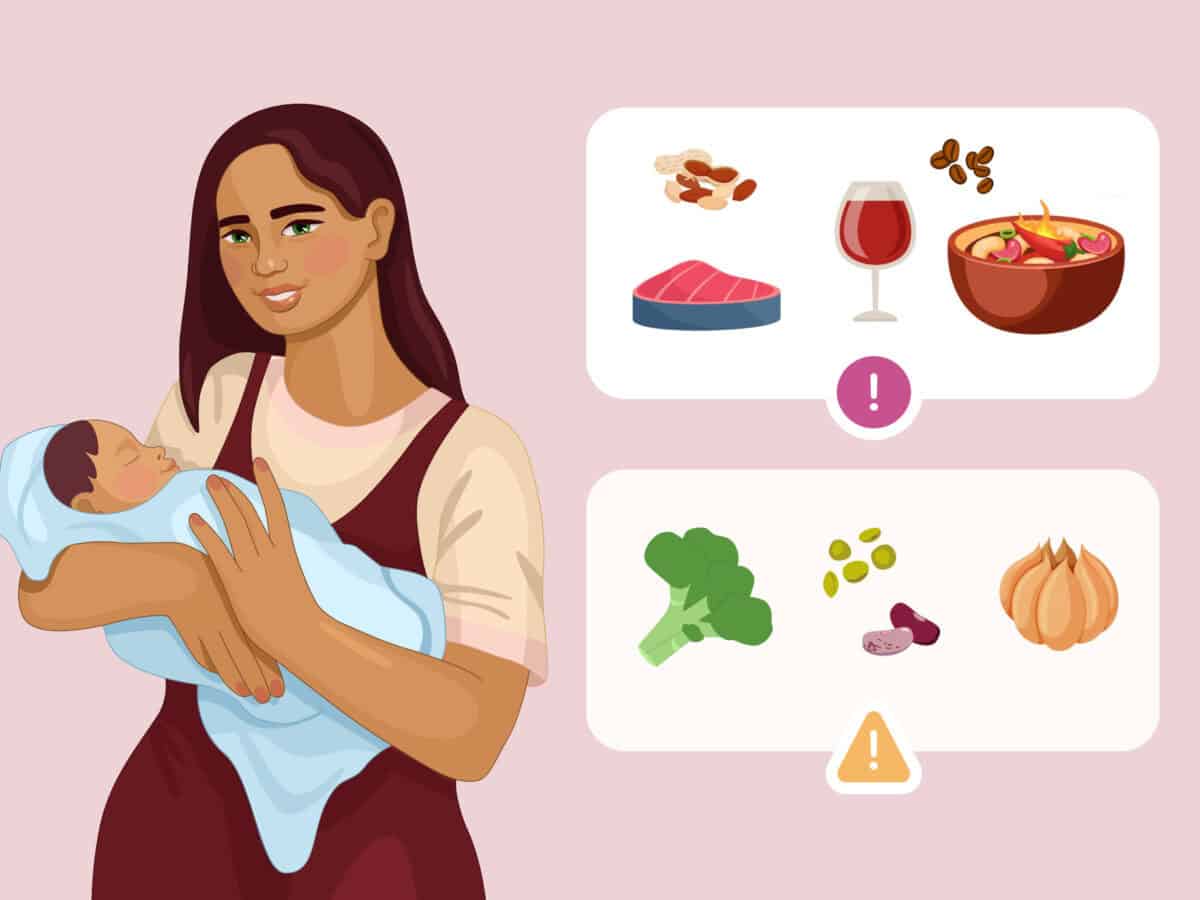
How important a role does eating play in maintaining nutrition and growing your lovely children? Eating healthy not only benefits the baby but also helps the mother stay in better shape and spirit. A mother always tries to eat the best foods to breastfeed her baby. All foods have nutritional value, however, not all foods are suitable to eat during breastfeeding. In this article, we provide a list of foods to avoid when breastfeeding, and sincere advice for the health of mother and baby.
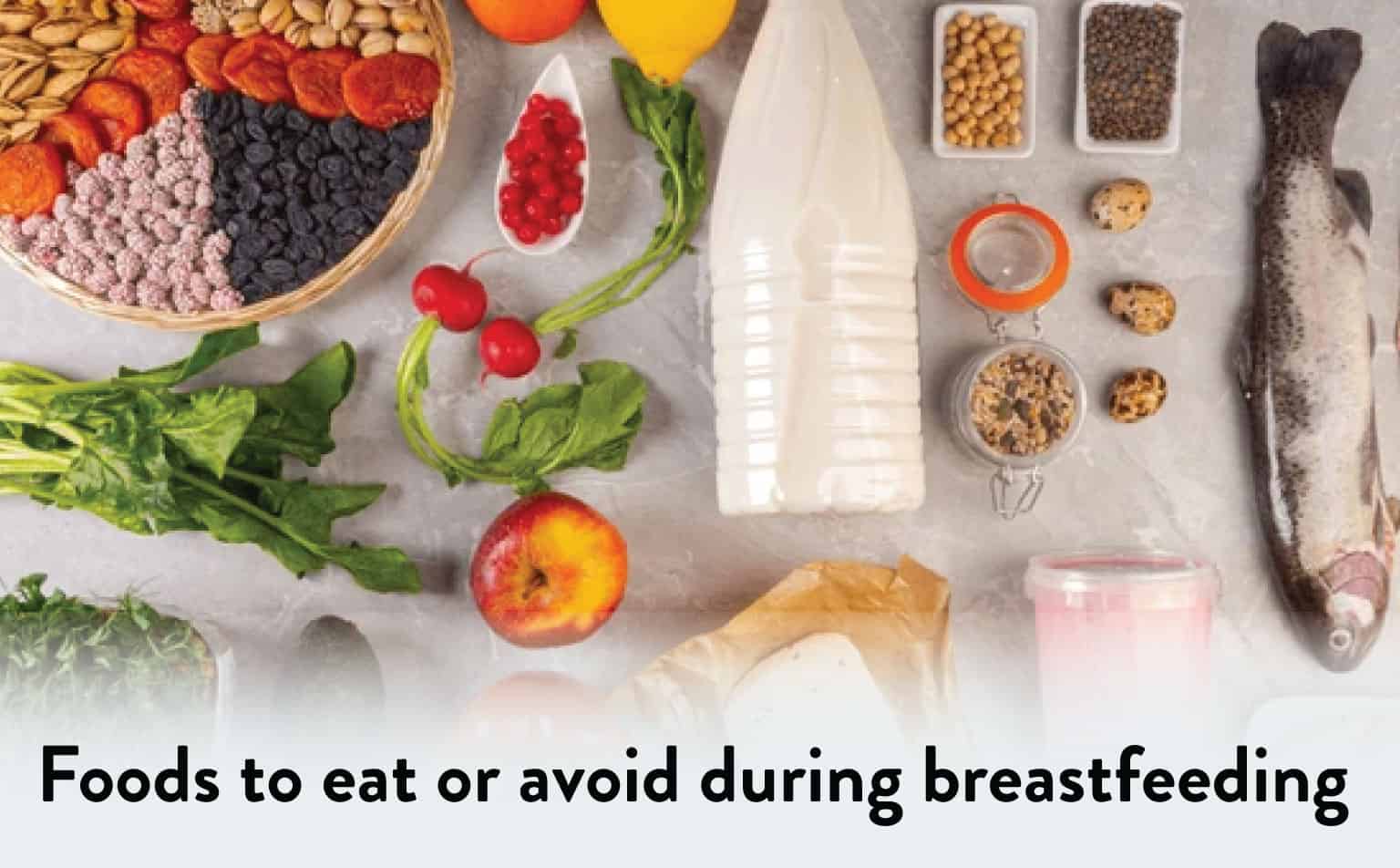
At Babies Parent, our lactation experts understand that breastfeeding mothers face many dietary questions. While the list of foods to completely avoid is actually quite short, understanding how different foods may affect your individual baby helps you make informed choices with confidence.
Understanding Your Baby’s Individual Response
Here’s an important truth that often gets overlooked: most babies tolerate nearly everything their mothers eat. According to La Leche League International, only a small percentage of babies react to foods in their mother’s diet. Rather than eliminating foods preemptively, pay attention to your individual baby’s cues.
Every baby is different:
Some babies are more sensitive to certain foods than others. What causes gas or fussiness in one baby might be perfectly fine for another. This is why blanket food restrictions for all breastfeeding mothers are no longer recommended by most pediatric organizations.
Signs your baby might be reacting to something in your diet:
Unusual fussiness or crying that persists for hours after feeding, green or mucousy stools, unexplained rash or eczema, or difficulty sleeping beyond typical newborn patterns. However, these symptoms can also have other causes, so observation over time is key.
The good news: Most suspected food sensitivities resolve as babies mature. Their digestive systems develop rapidly in the first few months, and many foods that seemed problematic early on become tolerable by 3-6 months.
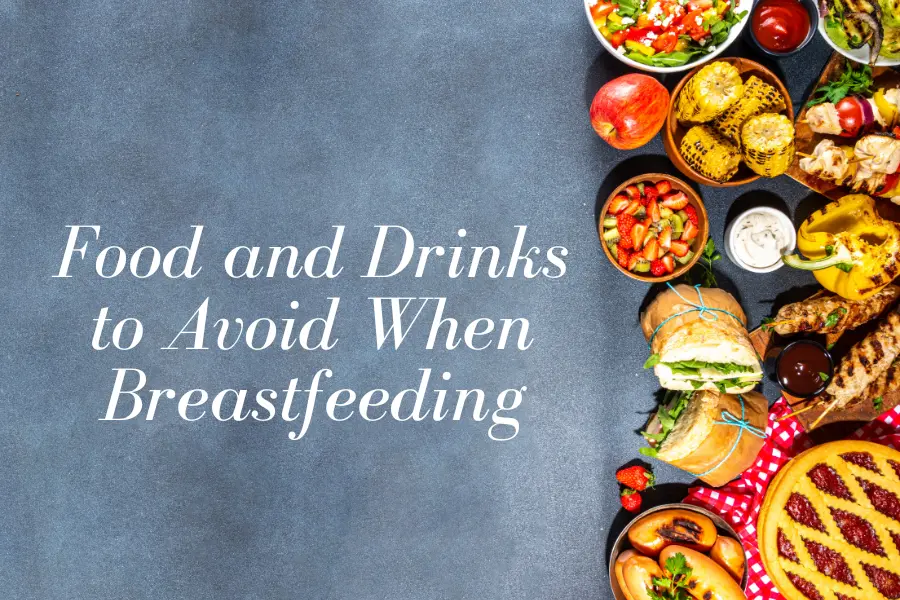
Food and Drinks to Avoid When Breastfeeding
Caffeine
Consuming caffeine while breastfeeding can cause some problems for the baby and mother
A small amount of caffeine consumed by the mother passes through her breast milk into the baby’s body. Babies, especially those under 6 months old, cannot metabolize caffeine as quickly as adults so that it can build up in their bodies.
- Baby sleep disruption: Caffeine can cause restless sleep, difficulty falling asleep, and increased crying in young babies, especially those under three months who clear caffeine slowly.
- Digestive upset: Some babies show indigestion or stomach discomfort after their mother drinks strong coffee or tea.
- Mother fatigue cycle: High caffeine intake can trigger insomnia, anxiety, and a racing heart in the mother, which compounds the sleep loss that already comes with caring for a newborn.
If you want to continue consuming caffeine while breastfeeding, consider the following measures:
- Limit caffeine consumption to a maximum of 200-300 mg daily (about one to two cups of coffee), but this may vary depending on your baby’s response.
Caffeine is not only present in tea and coffee but also in chocolate, many energy drinks, and other soft drinks. Here are estimates for drinking caffeinated beverages:
1 mug of filter coffee = 140mg
1 mug of instant coffee = 100mg
1 mug of tea = 75mg
250ml can of energy drink = 80mg of caffeine, while larger cans may contain up to 160mg of caffeine.
1 (354mls) cola drink = 40mg
50g plain chocolate bar = up to 50mg of caffeine.
- Watch for signs of irritability, fussiness, or changes in your baby’s sleep after you consume caffeine. If you see these signs, reduce your caffeine intake or stop altogether.
- If you must drink coffee or caffeine, try to consume it immediately after feeding your baby so that the amount of caffeine in your breast milk reduces before the next feeding.
Therefore, caffeine is the first food to avoid when breastfeeding you need to pay attention to.
Alcohol
Drinking wine, beer or alcohol while breastfeeding can affect your baby’s health and development.
When you drink alcohol, some of it passes through breast milk into the baby’s body. Babies, especially newborns, have not yet developed the ability to metabolize and eliminate alcohol as quickly as adults, so it can accumulate in their bodies.
- Disrupted sleep: Even small amounts of alcohol in breast milk can fragment a baby’s sleep cycle and shorten total sleep time.
- Developmental effects: Some studies link regular alcohol exposure through breast milk to slower motor and language development in infants1.
- Lower milk supply: Alcohol can reduce milk production and change its taste, which sometimes causes babies to feed less or refuse the breast altogether. Pumping does not speed up alcohol clearance from breast milk.
But if you choose to drink alcohol, don’t breastfeed until the alcohol has eliminated your milk.
- For 12 ounces of beer, 5 ounces of wine, or 1.5 ounces of liquor, wait at least 3 hours before breastfeeding2.
- The American Academy of Pediatrics ( AAP) recommends that breastfeeding mothers limit their alcohol consumption. If you drink alcohol, limit it to a maximum of one drink per day, equivalent to about 14g of alcohol.
- You can express milk after drinking alcohol to reduce the amount of alcohol in the milk, but this method does not quickly lower the alcohol concentration in breast milk.
Here are estimates for drinking alcoholic beverages:
a small glass of wine (125ml)
half a pint of beer
a single measure of a spirit (25ml)
Another important note is that when you have drunk alcohol, you should not sleep in the same bed as your baby. This is associated with the risk of infantile death syndrome (SIDS). Therefore, the best way is to list alcohol on the list of “ foods avoid when breastfeeding” for your baby’s safety.
Fish
When breastfeeding, you should limit or avoid certain types of fish because they contain high levels of mercury, which can affect your baby’s health. Mercury can accumulate in the bodies of fish, especially large, long-lived fish, and at the bottom of the sea. When mothers consume these fish, mercury can pass through breast milk and into the baby’s body. Mercury can harm the development of the brain and nervous system of infants, affecting the baby’s ability to learn, behave, and develop comprehensively.
Types of fish to avoid:
- Shark
- Swordfish
- King Mackerel
- Tilefish
- Marlins
- Bluefin Tuna and Bigeye Tuna
Types of fish should be limited:
Some types of fish contain moderate levels of mercury, so limit consumption and, if eaten, no more than 1-2 times per week3:
- Canned tuna (can eat light tuna instead of albacore tuna)
- Salmon
- Tilapia (Tilapia)
- Pollock
- Cod (Cod)
- Shrimp (Shrimp)
- Crab
Gassy Foods
Mothers who consume foods that cause bloating may experience discomfort, bloating, and abdominal pain. Although the gases produced by the food the mother eats do not directly pass through the breast milk, some compounds from the food can alter the composition of the breast milk, making the baby feel uncomfortable and fussy.
Foods that cause bloating should be limited
- Kinds of beans: Black beans, green beans, soybeans, white beans, and other beans.
- Cruciferous vegetables: Broccoli, cabbage, cauliflower, Brussels sprouts.
- Onions and garlic: These foods can cause bloating and change the taste of breast milk.
- Fruits and juices: Some fruits such as apples, pears, and plums can cause bloating.
- Gas drink: Carbonated soft drinks and beer can cause bloating.
Therefore, gassy foods are also on the list of “ foods avoid when breastfeeding”. You should limit foods that cause bloating to avoid affecting your baby’s comfort and health. Observe your baby’s reaction and adjust the diet if necessary. Besides, you can choose other foods to increase breast milk and ensure nutrition for your baby during breastfeeding.
Cows’ milk
Cow’s milk may cause problems for some babies, especially those who have sensitive or allergic reactions to proteins in cow’s milk. Some infants may be allergic to proteins in cow’s milk, including casein and whey. When the mother consumes cow’s milk, these proteins can pass through the breast milk and cause an allergic reaction in the baby.
Although not as common as a protein allergy, some children may be intolerant to lactose, a sugar found in cow’s milk. However, this condition is rare in infants because most children can digest lactose.
Symptoms of cow’s milk protein allergy in infants may include:
- Skin rash, eczema
- Difficulty breathing, wheezing
- Vomiting, diarrhea, or stomach pain
- Crying non-stop
Symptoms include:
- Bloating, bloating
- Diarrhea
- Crying after feeding
Spicy Foods
Most babies tolerate spicy foods in breast milk without issue. Mothers across many cultures eat heavily spiced meals throughout breastfeeding and their babies adjust fine. If your baby seems gassy, colicky, or develops diarrhea after you eat spicy meals, cut back on the heat for a couple of weeks and watch whether symptoms ease.
Chocolate
Chocolate carries caffeine plus a related stimulant called theobromine. A 50g dark chocolate bar can pack up to 50mg of caffeine, which adds to your daily total alongside coffee and tea. Small amounts are fine for most breastfeeding mothers, but watch for the same fussiness or sleep disruption signals as with coffee, especially in babies under three months.
Peanuts and Tree Nuts
Current research from the American Academy of Pediatrics suggests that eating peanuts and tree nuts while breastfeeding may actually help reduce allergy risk in your baby, rather than raise it. Unless you or your baby has a confirmed nut allergy, there is no reason to cut them out, even if you avoided peanuts during pregnancy. La Leche League International notes there is no clear evidence linking maternal peanut consumption to infant peanut allergy.
Herbs: Peppermint, Sage, and Parsley
Three kitchen herbs can lower breast milk supply when consumed in large amounts: peppermint, sage, and parsley. Most mothers will not notice an effect from sprinkling parsley on a meal, but consistent intake (think peppermint tea every day or sage in soups several times a week) has been linked to reduced milk production. For a small share of mothers, even peppermint-flavored toothpaste or candies are enough to dip supply.
Citrus Fruits
Citrus is not off-limits, but the acidity can pass through breast milk and irritate sensitive babies. Common signals include diaper rash, spit-up, or fussiness within a few hours of feeding. If you suspect citrus is the trigger, try eliminating oranges, lemons, grapefruit, and citrus juice for two to three weeks and watch for improvement before reintroducing slowly.
How to Test Foods Safely: The Elimination Diet Approach
If you suspect a food is bothering your baby, use this systematic approach recommended by pediatric nutritionists rather than eliminating multiple foods at once.
Step 1: Identify and eliminate
Remove the suspected food completely from your diet for 2-3 weeks. This gives your baby’s system time to clear any reactive proteins from your breast milk.
Step 2: Observe carefully
Watch for improvements in your baby’s symptoms. Keep a simple food and symptom diary to track patterns. Note that some improvements may be coincidental or related to your baby’s natural development.
Step 3: Reintroduce gradually
After the elimination period, if symptoms improved, reintroduce the food in small amounts. Eat a small portion and watch your baby for 3-5 days. If no reaction occurs, the food likely wasn’t the culprit.
Step 4: Consult professionals
If you’re eliminating major food groups (like dairy), consult with a registered dietitian to ensure you’re getting adequate nutrition. Your healthcare provider can also help determine if your baby’s symptoms warrant further investigation.
Remember, true food allergies through breast milk are rare. Most babies can tolerate all foods their mothers eat.
Breastfeeding Advice

When breastfeeding, eating properly not only ensures the mother’s health but also provides adequate nutrition necessary for the baby’s development.
- Drink enough water every day to maintain breast milk levels and help your body function effectively. Aim to drink at least 8-10 glasses of water a day, or more if you feel thirsty.
- Supplement important nutrients
- Omega-3 fatty acids: Eat fish rich in omega-3s like salmon, sardines, and herring to support your baby’s brain development. If you don’t eat fish, you can supplement with fish oil.
- Calcium: Make sure to get enough calcium from dairy products, dark green vegetables, tofu, and nuts like almonds.
- Iron: Eat iron-rich foods like red meat, chicken, beans, and green vegetables to prevent anemia.
- Vitamin D: If you can’t get enough sunlight, get vitamin D from foods or supplements.
- Monitor your baby’s reaction: Observe your baby’s reaction after you eat certain foods. If your baby shows signs of discomfort, fussiness, or allergies, try eliminating that food from your diet and consult your doctor.
- Consult an expert: If you have any questions or concerns about your breastfeeding diet, consult your doctor or nutritionist for specific and appropriate advice.
FAQs
No, spicy foods are safe for most breastfeeding mothers. Many cultures around the world eat spicy foods regularly while breastfeeding without issues. However, if you notice your baby seems fussier after you eat very spicy meals, you can reduce the spice level and see if it makes a difference.
Yes, current research from the American Academy of Pediatrics shows that eating peanuts and tree nuts while breastfeeding may actually help prevent allergies in your baby. Unless you or your baby has a diagnosed allergy, there’s no need to avoid nuts.
Proteins from foods you eat typically appear in breast milk within 3-6 hours, though some may take up to 24 hours. Babies may show reactions anywhere from immediately after feeding to within 24 hours after you consumed the food.
Not necessarily. Colic affects many babies regardless of maternal diet. However, if your baby has additional symptoms like blood in stool, severe eczema, or persistent digestive issues, cow’s milk protein allergy could be a factor. Discuss with your pediatrician before eliminating dairy, as it’s an important source of calcium and other nutrients.
Conclusion
The key to breastfeeding nutrition is balance, not restriction. While certain foods warrant caution (high-mercury fish, excessive alcohol and caffeine), most mothers can enjoy a varied, nutritious diet without eliminating foods unnecessarily. The American Academy of Pediatrics emphasizes that a well-nourished mother who eats a diverse diet provides optimal nutrition for her baby. Pay attention to your individual baby’s responses rather than following overly restrictive lists. If you suspect a food sensitivity, use a systematic elimination approach and consult with your healthcare provider. Remember, you’re doing an amazing job nourishing your baby, and small dietary adjustments based on your baby’s needs are all part of the learning journey.
Sources
- Alcohol & Breast Milk. HealthyChildren.org. Available at: https://www.healthychildren.org/English/ages-stages/baby/breastfeeding/Pages/Alcohol-Breast-Milk.aspx#:~:text=Alcohol%20passes%20through%20your%20breast,avoiding%20drinking%20alcohol%20while%20breastfeeding.
↩︎ - Foods to eat or avoid when breastfeeding. WebMD. Available at: https://www.webmd.com/parenting/baby/ss/slideshow-breastfeeding-foods. ↩︎
- NHS choices. Available at: https://www.nhs.uk/start-for-life/baby/feeding-your-baby/breastfeeding/healthy-diet-when-breastfeeding/food-and-drinks-to-avoid-when-breastfeeding/
↩︎