Pregnancy changes the way your immune system responds to foodborne bacteria. Listeria, Salmonella, Toxoplasma, and E. coli infections that cause mild symptoms in non-pregnant adults can trigger miscarriage, preterm labor, or serious illness in a developing fetus. The FDA, CDC, and ACOG maintain specific guidelines on which foods pregnant women must avoid entirely and which require careful preparation before eating.
This complete list covers every food category with specific items, the exact pathogen or toxin risk each one carries, and safe alternatives you can eat instead.
![[variety of unsafe pregnancy foods including raw sushi deli meat soft cheese and raw eggs on a kitchen counter]](https://babiesparent.com/wp-content/uploads/2026/03/1_Unsafe_pregnancy_foods_202603301142.webp)
Raw and Undercooked Meat
Raw or undercooked meat carries Toxoplasma gondii parasites, Salmonella, and E. coli bacteria. These organisms can cross the placenta and infect the fetus directly.
What to Avoid
| Food | Risk | Safe Alternative |
|---|---|---|
| Rare or medium-rare steak | Toxoplasma, E. coli | Cook to internal temperature of 145°F (63°C) with a 3-minute rest |
| Rare burgers or ground meat | E. coli, Salmonella | Cook to 160°F (71°C) throughout |
| Raw or undercooked poultry | Salmonella, Campylobacter | Cook to 165°F (74°C) |
| Tartare (beef or tuna) | Multiple pathogens | Fully cooked versions only |
| Rare lamb or pork | Toxoplasma | Cook to 145°F (63°C) minimum |
Use a meat thermometer to verify internal temperatures. Visual inspection (checking for pink) is not reliable enough during pregnancy.
Deli Meats and Processed Cold Cuts
Deli meats are one of the most common sources of Listeria monocytogenes contamination. Listeria grows at refrigerator temperatures (40°F / 4°C), which means standard cold storage does not protect you.
What to Avoid
- Sliced turkey, ham, roast beef, and bologna from the deli counter
- Pre-packaged lunch meats eaten cold
- Hot dogs eaten without reheating
- Cold-cured meats: salami, pepperoni, chorizo, prosciutto (eaten uncooked)
- Refrigerated pâtés and meat spreads
- Pre-made deli salads (chicken salad, tuna salad, ham salad)
How to Make Deli Meats Safe
Heat all deli meats to 165°F (74°C) or until steaming hot immediately before eating. This kills Listeria bacteria. A cold sandwich from the deli counter is not safe. The same sandwich toasted or grilled until the meat is heated through is safe.
Listeriosis during pregnancy can cause miscarriage, stillbirth, premature delivery, or life-threatening infection in the newborn. Pregnant women are approximately 10 times more likely than the general population to develop listeriosis, according to the CDC.
High-Mercury Fish
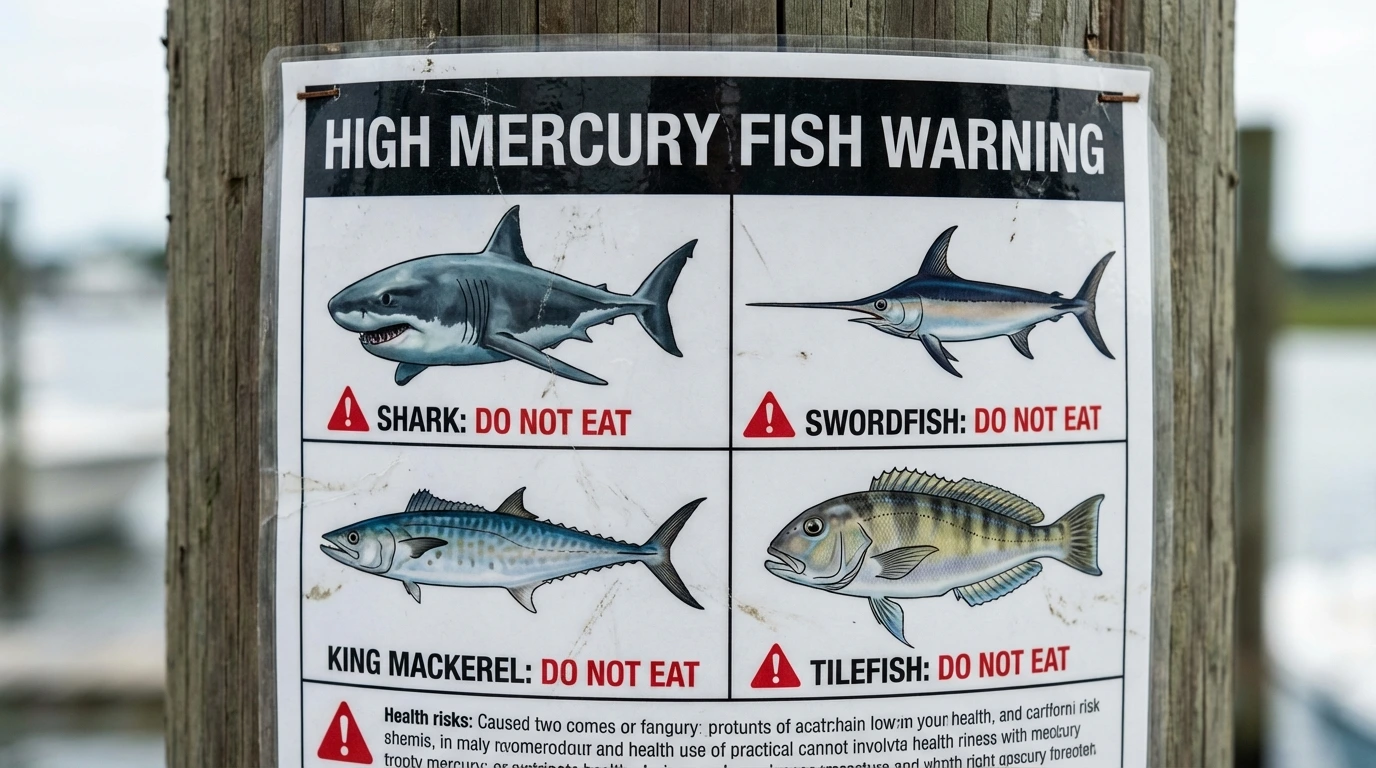
Mercury accumulates in large, long-lived predatory fish. Methylmercury crosses the placenta and damages the developing fetal nervous system, impairing brain development, hearing, and vision.
Fish to Avoid Completely
| Fish | Mercury Level |
|---|---|
| Shark | Very high |
| Swordfish | Very high |
| King mackerel | Very high |
| Tilefish (Gulf of Mexico) | Very high |
| Marlin | Very high |
| Bigeye tuna | High |
| Orange roughy | High |
Fish to Limit
- Albacore (white) tuna: Limit to 6 ounces per week
- Yellowfin tuna: Limit to 6 ounces per week
Safe Fish to Eat (8 to 12 Ounces Per Week)
The FDA and EPA recommend eating 2 to 3 servings of low-mercury fish per week during pregnancy. Fish provides DHA omega-3 fatty acids that support fetal brain development. Good options include:
- Salmon (wild-caught or farmed)
- Shrimp
- Cod
- Tilapia
- Sardines
- Anchovies
- Catfish
- Pollock
- Canned light tuna
Raw and Undercooked Seafood
Raw seafood carries parasites, Vibrio bacteria, and Norovirus. Pregnancy suppresses parts of the immune system, making these infections more severe.
What to Avoid
- Sushi with raw fish: Including tuna rolls, salmon sashimi, and yellowtail nigiri
- Ceviche: The citrus acid does not kill all parasites and bacteria
- Raw oysters, clams, and mussels: High risk for Vibrio and Norovirus
- Raw scallops: Same bacterial risks as oysters
- Refrigerated smoked seafood: Lox, nova-style salmon, kippered fish, and smoked trout (unless cooked into a casserole or dish)
Safe Alternatives
- Sushi rolls made with fully cooked ingredients (shrimp tempura, eel, crab)
- Vegetable rolls (avocado, cucumber)
- Canned or shelf-stable smoked seafood
- Fully cooked shrimp, lobster, and crab
Unpasteurized Dairy Products
Unpasteurized (raw) milk and products made from it can contain Listeria, Salmonella, E. coli, and Campylobacter.
Soft Cheeses to Avoid (Unless Made with Pasteurized Milk)
| Cheese | Risk |
|---|---|
| Brie | Listeria |
| Camembert | Listeria |
| Roquefort | Listeria |
| Gorgonzola | Listeria |
| Queso fresco | Listeria, Salmonella |
| Queso blanco | Listeria |
| Feta (unpasteurized) | Listeria |
How to Check Safety
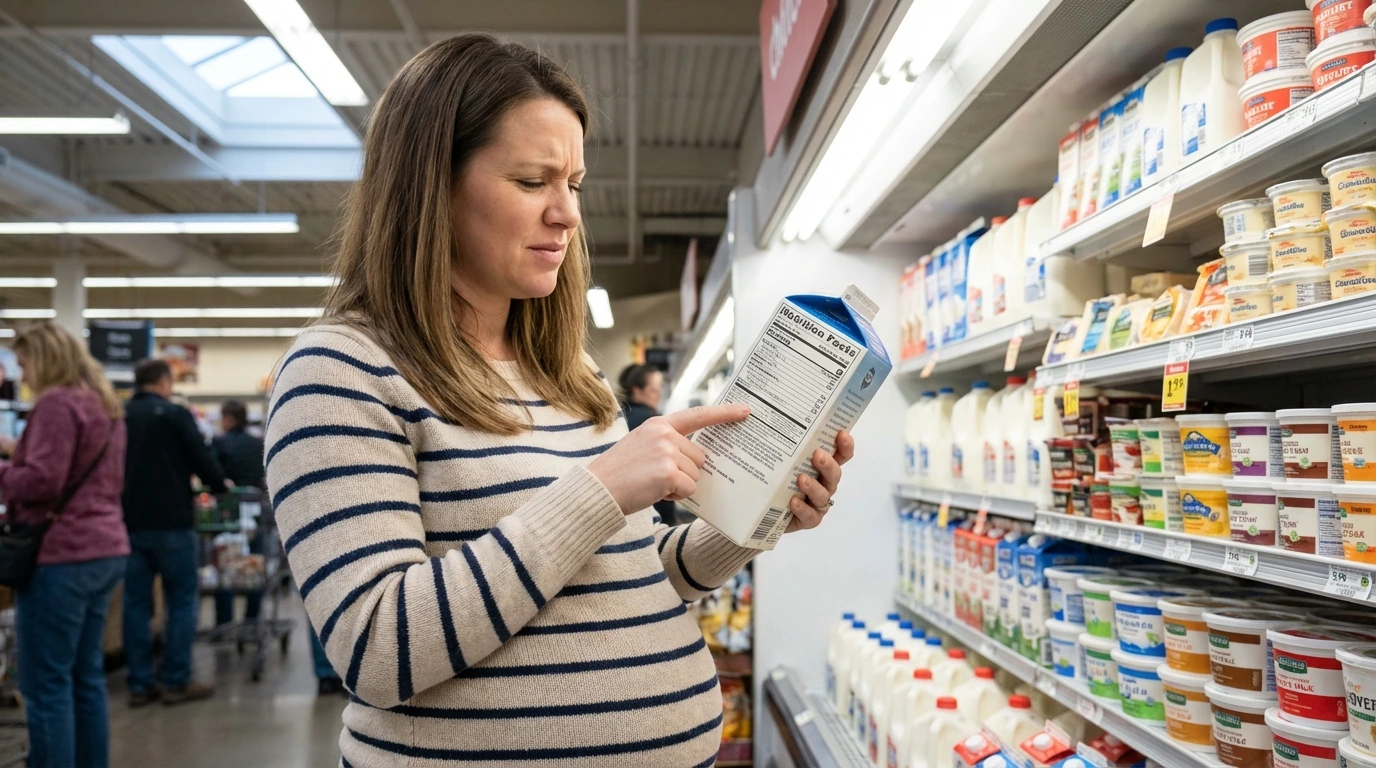
Read the label. If the cheese states “made with pasteurized milk,” it is safe to eat during pregnancy. Most commercially sold cheese in the United States uses pasteurized milk, but artisanal, imported, and farmers’ market cheeses frequently use raw milk.
Safe Dairy Options
- Hard cheeses: cheddar, Parmesan, Swiss, Gouda
- Pasteurized soft cheeses: cream cheese, cottage cheese, mozzarella
- Pasteurized yogurt
- Commercially produced ice cream
Raw Eggs
Raw or undercooked eggs carry Salmonella bacteria. The infection causes severe vomiting, diarrhea, and dehydration that can trigger preterm contractions.
Foods That Often Contain Raw Eggs
- Homemade Caesar salad dressing
- Homemade mayonnaise
- Raw cookie dough and cake batter
- Tiramisu
- Homemade hollandaise sauce
- Homemade eggnog
- Some homemade ice creams
- Mousse and meringue (undercooked)
- Eggs Benedict with runny yolks
Safe Alternatives
- Commercially produced mayonnaise, dressings, and eggnog (these use pasteurized eggs)
- Eggs cooked until both the white and yolk are firm (160°F / 71°C)
- Pasteurized liquid eggs for baking and cooking
Raw Sprouts
Raw sprouts (alfalfa, clover, radish, mung bean) grow in warm, humid conditions that are ideal for Salmonella and E. coli. Bacteria can enter the sprout seed before it germinates, making it impossible to wash away.
Cooking sprouts to 165°F (74°C) kills the bacteria. Raw sprouts in sandwiches, salads, and wraps must be avoided during pregnancy.
Unwashed Fruits and Vegetables
Fresh produce can carry Toxoplasma from contaminated soil and Listeria from processing environments. Cantaloupe, leafy greens, and bean sprouts are among the highest-risk categories.
Food Safety Steps
- Wash all fruits and vegetables under running water before eating, cutting, or cooking
- Scrub firm produce (melons, cucumbers) with a clean brush
- Remove the outer leaves of lettuce and cabbage
- Avoid pre-cut fruit from buffets, salad bars, and deli cases
- Dry washed produce with a clean cloth or paper towel
Beverages to Avoid or Limit
Alcohol: Zero Safe Amount
No amount of alcohol is safe during any trimester of pregnancy. Alcohol crosses the placenta directly and enters the fetal bloodstream. The fetus metabolizes alcohol far more slowly than the mother, resulting in prolonged exposure.
Alcohol consumption during pregnancy causes Fetal Alcohol Spectrum Disorders (FASDs), a group of permanent conditions that include intellectual disabilities, facial abnormalities, growth problems, and behavioral disorders. The CDC, ACOG, and every major medical organization recommend complete abstinence from alcohol during pregnancy.
Caffeine: Limit to 200 mg Per Day
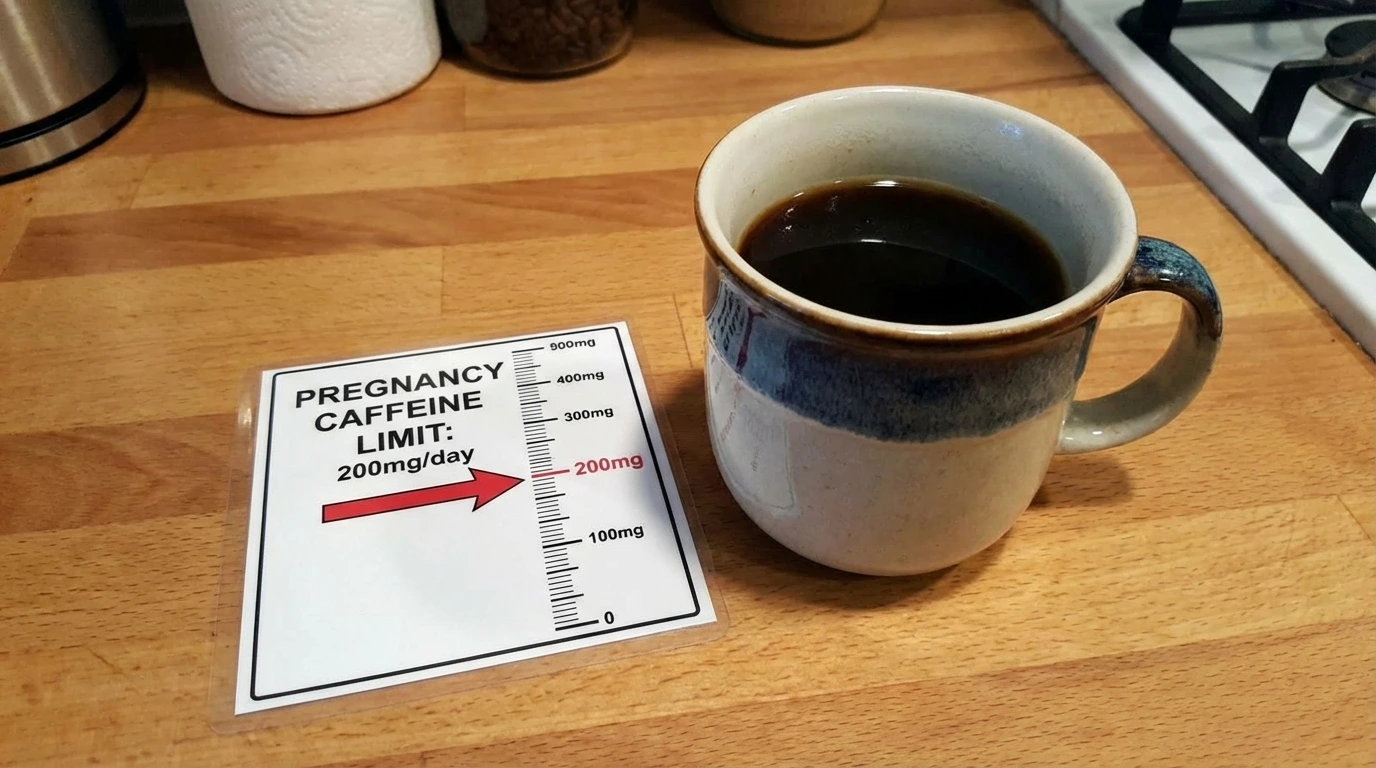
ACOG recommends capping total daily caffeine intake at 200 milligrams. Caffeine crosses the placenta, and the fetus cannot metabolize it efficiently. High caffeine intake has been linked to low birth weight and increased miscarriage risk.
| Beverage | Approximate Caffeine Content |
|---|---|
| Brewed coffee (8 oz) | 95 to 165 mg |
| Espresso (1 shot) | 63 mg |
| Black tea (8 oz) | 25 to 48 mg |
| Green tea (8 oz) | 25 to 29 mg |
| Cola (12 oz) | 25 to 45 mg |
| Dark chocolate (1 oz) | 12 mg |
| Decaf coffee (8 oz) | 2 to 15 mg |
One standard 8-ounce cup of brewed coffee puts you close to or over the daily limit. If you drink coffee, switch to a smaller cup or half-caff blend. Track your total intake from all sources, including tea, soda, and chocolate.
Herbal Teas: Check Before Drinking
Herbal teas are not regulated by the FDA in the same way as medications. Some herbs have uterine-stimulating effects that can trigger contractions or interfere with fetal development.
Generally considered safe in moderation (1 to 2 cups per day):
- Ginger tea (helps with nausea)
- Peppermint tea
- Rooibos tea
Avoid during pregnancy:
- Pennyroyal tea (can cause uterine contractions)
- Black cohosh and blue cohosh
- Dong quai
- Mugwort
- Comfrey
Ask your OB-GYN before adding any herbal tea to your daily routine. Some remedies marketed as “natural” carry real risks during pregnancy. The same caution applies to over-the-counter throat lozenges and cough remedies that contain herbal ingredients or medications not tested for fetal safety.
Unpasteurized Juices
Fresh-squeezed juice from juice bars, farmers’ markets, and roadside stands may not be pasteurized. Unpasteurized apple cider and orange juice can contain E. coli or Salmonella. Check the label for “pasteurized” or choose commercially bottled juices.
Other Foods and Substances to Avoid
Liver and Organ Meats
Liver contains extremely high concentrations of preformed vitamin A (retinol). Excessive vitamin A intake during pregnancy, particularly in the first trimester, is linked to birth defects affecting the skull, face, heart, and nervous system. Limit liver to no more than one small serving per week, or avoid it entirely during the first trimester.
Your prenatal vitamin already contains the recommended daily amount of vitamin A in the safer beta-carotene form. Adding liver on top of supplementation can push intake into the toxic range.
Raw Honey
While honey is safe for most adults, raw and unpasteurized honey can contain Clostridium botulinum spores. The risk to adults is minimal because mature digestive systems neutralize these spores. However, some healthcare providers recommend caution with raw honey during pregnancy.
Pasteurized, commercially processed honey is generally considered safe. Review the complete safety profile of honey during pregnancy before making this a regular part of your diet.
Artificial Sweeteners
Most artificial sweeteners (aspartame, sucralose, stevia) are considered safe during pregnancy in moderate amounts by the FDA. The exception is saccharin, which crosses the placenta and may accumulate in fetal tissue. Limit saccharin-containing products during pregnancy.
Quick Reference: Complete Avoid List
| Category | Avoid | Safe Alternative |
|---|---|---|
| Meat | Raw, rare, or undercooked | Cooked to safe internal temps |
| Deli meat | Cold cuts eaten unheated | Heated to 165°F / steaming hot |
| High-mercury fish | Shark, swordfish, king mackerel, tilefish | Salmon, shrimp, cod, sardines |
| Raw seafood | Sushi (raw), ceviche, raw oysters | Cooked sushi rolls, cooked shellfish |
| Dairy | Unpasteurized milk and soft cheese | Pasteurized dairy products |
| Eggs | Raw or runny | Fully cooked (firm white and yolk) |
| Sprouts | Raw alfalfa, clover, mung bean | Cooked sprouts |
| Produce | Unwashed fruits and vegetables | Washed and scrubbed thoroughly |
| Alcohol | All types and amounts | Zero alcohol |
| Caffeine | Over 200 mg/day | Under 200 mg/day |
| Juice | Unpasteurized | Pasteurized only |
| Liver | More than 1 serving/week | Limit or avoid in first trimester |
What to Do If You Accidentally Ate Something Unsafe
Eating a small amount of a restricted food once does not guarantee infection. Most foodborne illness requires a certain bacterial load to produce symptoms.
Monitor for symptoms over the next 2 to 30 days (Listeria incubation can take up to 30 days):
- Fever above 100.4°F (38°C)
- Muscle aches and flu-like symptoms
- Nausea, vomiting, or diarrhea
- Stiff neck or headache
- Reduced fetal movement
Contact your OB-GYN if you develop any of these symptoms. Your doctor can order blood tests to check for Listeria or other infections and prescribe antibiotics if necessary.
If you manage other common pregnancy symptoms with medication, verify that each product is safe. Many standard cold medicines, pain relievers, and fever reducers require specific pregnancy-safe versions. Check the full list of approved medications during pregnancy before treating any illness at home.
After Delivery: Food Restrictions Change
Once you deliver, most pregnancy food restrictions no longer apply. Sushi, deli meats, and soft cheese are safe again for you personally.
If you breastfeed, a separate (and much shorter) set of dietary guidelines takes effect. Certain foods can affect milk supply, flavor, or pass substances to the baby through breast milk. Review the foods that affect breastfeeding to understand which items to limit or avoid during nursing.
Conclusion
Pregnancy food safety comes down to two principles: avoid raw and unpasteurized products that carry bacterial risk, and limit substances (mercury, alcohol, excess caffeine, excess vitamin A) that directly harm fetal development. Print the quick-reference table above, stick it on your refrigerator, and refer to it when grocery shopping or eating out. When in doubt about any food, ask your OB-GYN before eating it.
References
[1] U.S. Food and Drug Administration. (2024). “Advice About Eating Fish: For Those Who Might Become or Are Pregnant or Breastfeeding and Children Ages 1-11 Years.” Retrieved from fda.gov
[2] Centers for Disease Control and Prevention. (2024). “Listeria: People at Risk — Pregnant Women and Newborns.” Retrieved from cdc.gov
[3] American College of Obstetricians and Gynecologists. (2024). “Nutrition During Pregnancy.” Retrieved from acog.org
[4] Mayo Clinic. (2024). “Pregnancy nutrition: Foods to avoid during pregnancy.” Retrieved from mayoclinic.org