Healthy pregnancy weight gain ranges from 11 to 40 pounds depending on your pre-pregnancy body mass index (BMI). The Institute of Medicine (now the National Academy of Medicine) established these guidelines, and both the CDC and ACOG continue to use them as the clinical standard. Gaining within your recommended range lowers the risk of gestational diabetes, preeclampsia, cesarean delivery, and delivering a baby that is either too large or too small.
This guide covers the exact weight gain targets by BMI category, where the weight actually goes, how much to gain each trimester, the risks of gaining too much or too little, and specific guidance for twin pregnancies.
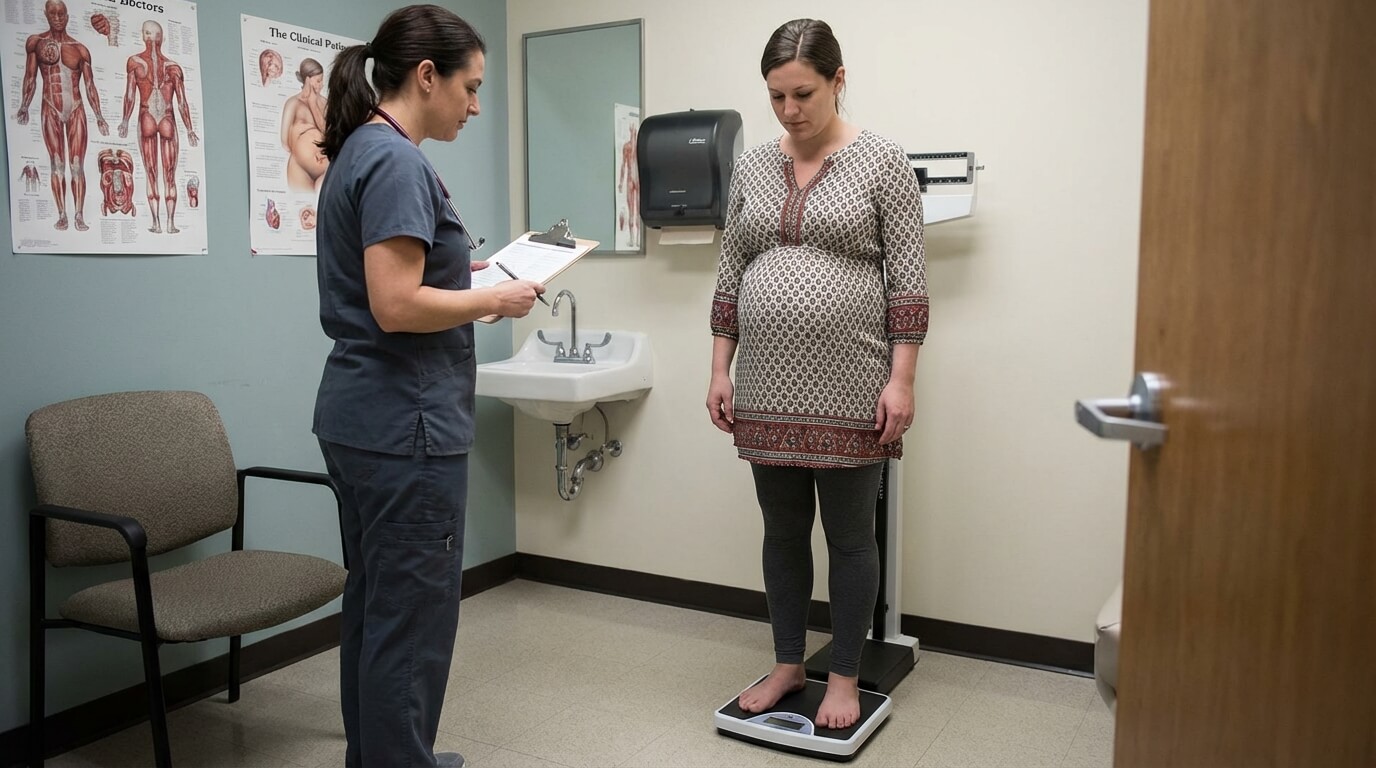
Recommended Total Weight Gain by Pre-Pregnancy BMI
Your target weight gain depends entirely on your BMI before you became pregnant. BMI is calculated by dividing your weight in kilograms by the square of your height in meters.
Singleton Pregnancy (One Baby)
| Pre-Pregnancy BMI | Weight Category | Recommended Total Gain | Weekly Rate (2nd & 3rd Trimester) |
|---|---|---|---|
| Below 18.5 | Underweight | 28 to 40 lbs (13 to 18 kg) | ~1 lb/week |
| 18.5 to 24.9 | Normal weight | 25 to 35 lbs (11 to 16 kg) | ~1 lb/week |
| 25.0 to 29.9 | Overweight | 15 to 25 lbs (7 to 11 kg) | ~0.6 lb/week |
| 30.0 or higher | Obese | 11 to 20 lbs (5 to 9 kg) | ~0.5 lb/week |
These ranges apply to the full 40-week pregnancy. Your OB-GYN may adjust these targets based on your medical history, age, or specific health conditions.
Twin Pregnancy
Women carrying twins need significantly more weight to support two developing babies, two amniotic sacs, and a larger placenta.
| Pre-Pregnancy BMI | Weight Category | Recommended Total Gain |
|---|---|---|
| Below 18.5 | Underweight | 50 to 62 lbs (23 to 28 kg) |
| 18.5 to 24.9 | Normal weight | 37 to 54 lbs (17 to 25 kg) |
| 25.0 to 29.9 | Overweight | 31 to 50 lbs (14 to 23 kg) |
| 30.0 or higher | Obese | 25 to 42 lbs (11 to 19 kg) |
Twin pregnancies benefit from steady early weight gain. Research shows that appropriate weight gain by weeks 20 to 24 reduces the risk of preterm birth and low birth weight in multiples.
Where Does the Weight Actually Go
Pregnancy weight gain is not stored fat. Most of it supports biological systems that keep the baby alive and prepare your body for delivery and breastfeeding.
Full Weight Distribution Breakdown
| Component | Weight (lbs) | Purpose |
|---|---|---|
| Baby | 7 to 8 | Fetal body weight at full term |
| Maternal fat stores | 6 to 8 | Energy reserves for breastfeeding |
| Increased blood volume | 3 to 4 | Delivers oxygen and nutrients to the placenta |
| Increased body fluids | 2 to 4 | Supports expanded circulatory system |
| Uterus | 2 | Muscular growth to house the fetus |
| Amniotic fluid | 2 | Cushions and protects the fetus |
| Breasts | 1 to 3 | Prepares mammary glands for milk production |
| Placenta | 1.5 | Nutrient and waste exchange organ |
| Total | 24.5 to 32.5 |
This breakdown explains why most of the weight leaves your body within the first six weeks after delivery. The baby, placenta, amniotic fluid, and excess blood volume account for approximately 15 to 18 pounds that you lose at birth and in the immediate postpartum period.
How Much Weight to Gain Each Trimester
Weight gain does not follow a straight line. Each trimester has a different rate based on the biological demands of that stage.
First Trimester (Weeks 1 to 12)
Expected gain: 1 to 4 pounds total
Your body builds the placenta and expands blood volume during these early weeks, but the embryo itself weighs less than half an ounce by week 12. No extra calories are needed during the first trimester according to CDC guidelines.
Many women gain less than expected or even lose weight during the first trimester because of nausea and food aversions. Maintaining adequate nutrition through prenatal vitamins protects fetal development even when appetite is low.
Second Trimester (Weeks 13 to 27)
Expected gain: about 1 pound per week (for normal BMI)
The fetus grows from the size of a lemon to over 14 inches long during the second trimester. Your body needs approximately 340 extra calories per day to fuel this growth. Most of the visible belly expansion occurs during these weeks as the uterus rises above the pelvic bone and pushes outward against the abdominal wall.
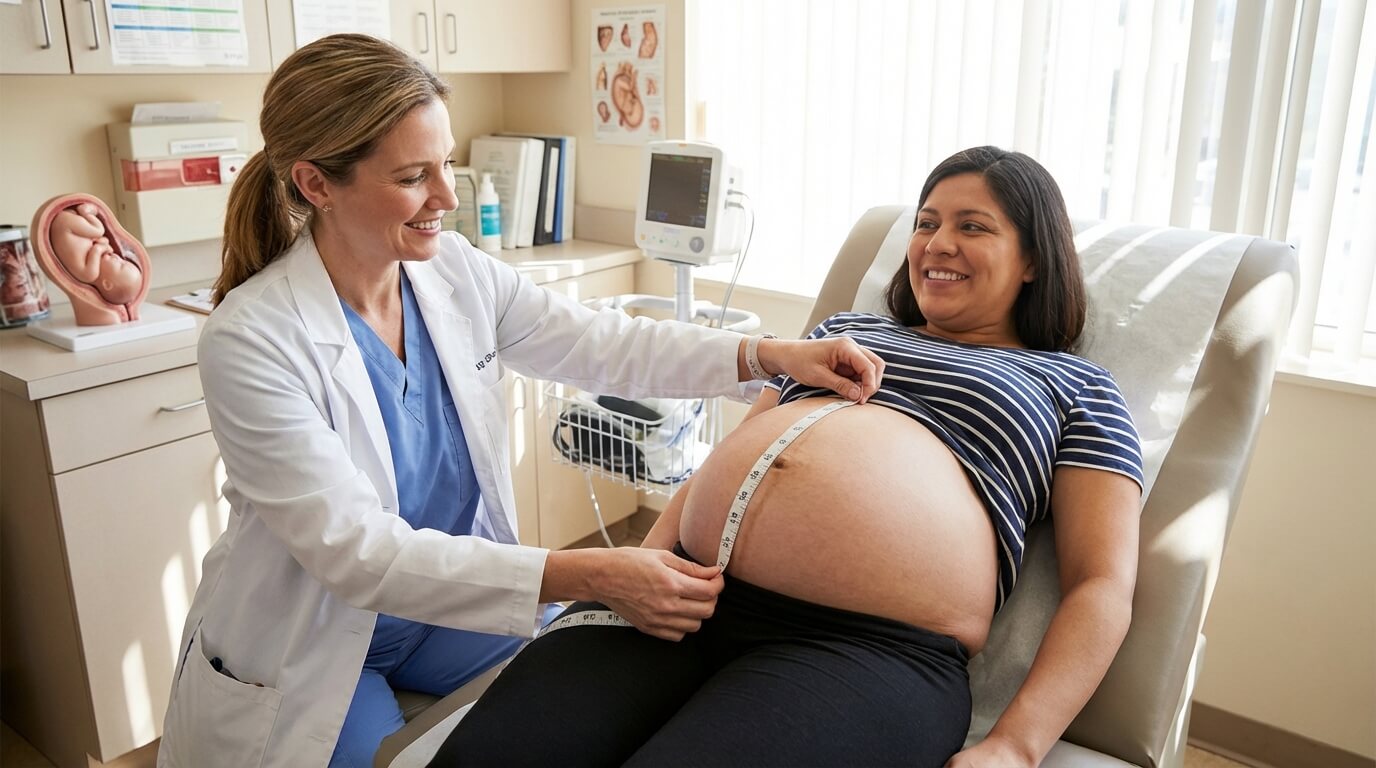
This is the trimester when weight gain becomes most consistent and measurable. Your doctor will track fundal height (the distance from your pubic bone to the top of the uterus) at each appointment to confirm the baby is growing on schedule.
Third Trimester (Weeks 28 to 40)
Expected gain: about 1 pound per week (for normal BMI)
Your caloric needs increase to approximately 450 extra calories per day during the third trimester. The baby gains roughly 5 pounds during these final weeks. Blood volume peaks, amniotic fluid volume stabilizes, and maternal fat stores accumulate to prepare for breastfeeding.
Weight gain often slows or stops in the final two weeks before delivery as the body shifts into pre-labor mode.
Risks of Gaining Too Much Weight
Exceeding the recommended weight gain range creates measurable health risks for both mother and baby.
Maternal Risks
- Gestational diabetes. Excessive weight gain increases the likelihood of developing gestational diabetes mellitus (GDM), which requires dietary management and sometimes insulin therapy.
- Preeclampsia. Women who gain above guidelines face higher rates of pregnancy-induced hypertension and preeclampsia, a condition marked by high blood pressure and organ damage.
- Cesarean delivery. Higher weight gain correlates with larger babies (macrosomia), which increases the probability of a C-section and complications like shoulder dystocia during vaginal delivery.
- Postpartum weight retention. Gaining more than recommended makes it significantly harder to return to pre-pregnancy weight. Long-term, this increases the risk of type 2 diabetes and cardiovascular disease.
Risks to the Baby
- Large for gestational age (LGA). Babies born above the 90th percentile face higher rates of birth injuries and neonatal hypoglycemia.
- Childhood obesity. Research published in Frontiers in Endocrinology links excessive maternal weight gain to elevated childhood obesity risk in offspring.
Risks of Gaining Too Little Weight
Insufficient weight gain is equally problematic.
- Small for gestational age (SGA). Babies who do not receive adequate nutrition through the placenta may weigh less than the 10th percentile at birth.
- Preterm birth. Low maternal weight gain increases the risk of delivering before 37 weeks, which carries significant health consequences for the newborn.
- Maternal anemia. Poor nutritional intake during pregnancy depletes iron stores, causing fatigue, weakness, and reduced oxygen delivery to the fetus.
How to Manage Weight Gain Healthily
Nutrition Guidelines
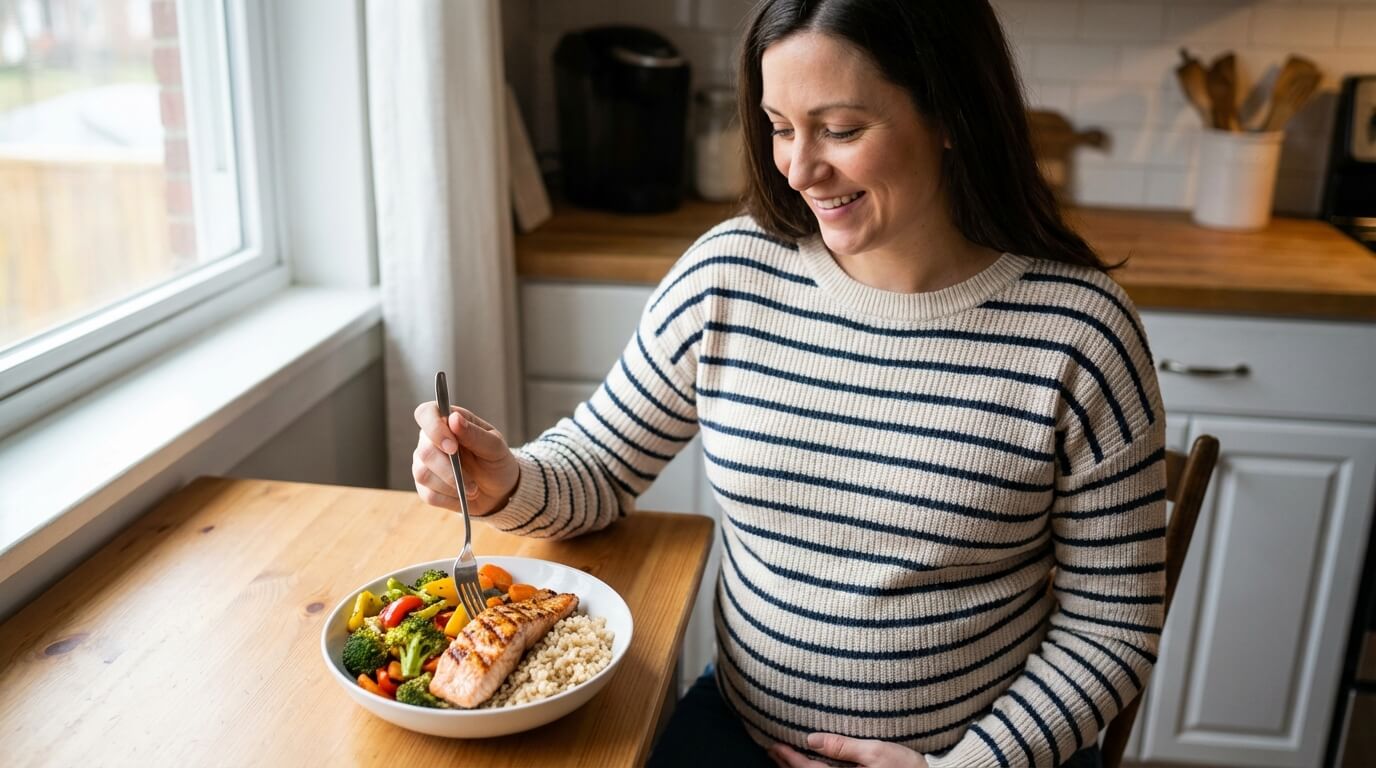
Focus on nutrient-dense foods rather than tracking calories obsessively. Prioritize:
- Protein: 71 grams per day from lean meats, eggs, legumes, and dairy
- Iron: 27 mg per day from red meat, spinach, and fortified cereals
- Calcium: 1,000 mg per day from dairy, fortified plant milks, and leafy greens
- Folate: 600 mcg per day from prenatal vitamins and leafy vegetables
- Omega-3 fatty acids: 200 to 300 mg DHA per day from fatty fish (2 to 3 servings per week)
Eat five to six smaller meals throughout the day instead of three large ones. This pattern stabilizes blood sugar and reduces the intense hunger spikes that lead to overeating.
Safe Exercise During Pregnancy
The American College of Obstetricians and Gynecologists (ACOG) recommends 150 minutes of moderate-intensity aerobic activity per week for pregnant women without complications. Safe options include:
- Brisk walking (most accessible, no equipment needed)
- Swimming and water aerobics (reduces joint stress)
- Stationary cycling
- Prenatal yoga (improves flexibility, reduces back pain)
Exercise helps regulate weight gain, improves sleep quality, and reduces the risk of gestational diabetes. Improved sleep quality matters because sleeping position during pregnancy directly affects blood flow to the placenta as the uterus grows heavier.
What to Avoid
- Dieting or calorie restriction. Pregnancy is not the time to lose weight. Even women with a high pre-pregnancy BMI should gain within their recommended range, not attempt to reduce.
- Empty calorie foods. Sugary drinks, chips, and processed snacks add calories without the nutrients your baby needs.
- Skipping meals. Going long stretches without eating causes blood sugar crashes that trigger binge eating at the next meal.
Tracking Your Weight During Pregnancy
Your OB-GYN will weigh you at every prenatal visit. Between appointments, track your weight at home using the same scale at the same time of day (morning, before eating) for the most consistent readings.
Weight Gain Tracking Table
| Trimester | Normal BMI Target | Actual Gain | On Track? |
|---|---|---|---|
| First (weeks 1 to 12) | 1 to 4 lbs total | _ lbs | ☐ |
| Second (weeks 13 to 27) | ~1 lb/week | _ lbs | ☐ |
| Third (weeks 28 to 40) | ~1 lb/week | _ lbs | ☐ |
| Total | 25 to 35 lbs | _ lbs | ☐ |
If your weight gain falls significantly above or below the expected range for two consecutive appointments, discuss a nutrition plan with your provider.

After Delivery: What Happens to the Weight
Most women lose 10 to 13 pounds immediately after delivery (baby, placenta, and amniotic fluid). An additional 5 to 7 pounds of fluid weight leaves the body during the first week postpartum as blood volume normalizes.
The remaining weight, primarily maternal fat stores, takes longer to lose. Breastfeeding burns approximately 500 extra calories per day, which helps with gradual weight loss over 6 to 12 months. Understanding how your dietary choices affect milk production ensures you are eating enough to sustain breastfeeding while your body returns to its pre-pregnancy composition.
Postpartum recovery is physically demanding. Adjusting to life with a newborn while managing your own healing takes enormous energy. Following practical wellness strategies for new mothers supports both your physical recovery and your emotional health during this transition.
When to Talk to Your Doctor About Weight
Schedule a conversation with your OB-GYN if:
- You gain more than 3 pounds in a single week (may indicate fluid retention or preeclampsia)
- You lose weight during the second or third trimester
- You have a history of eating disorders and struggle with body image during pregnancy
- You have gestational diabetes and need help adjusting your meal plan
- Your fundal height measurement does not match your gestational age
Your provider can refer you to a registered dietitian who specializes in prenatal nutrition for a personalized eating plan.
Conclusion
Pregnancy weight gain follows a specific, evidence-based framework that accounts for your starting BMI, the number of babies, and the biological demands of each trimester. The total number on the scale matters less than the pattern: steady, consistent gain that stays within your recommended range. Discuss your weight at every prenatal appointment and adjust your nutrition plan whenever the numbers drift outside the target window.
References
[1] Centers for Disease Control and Prevention. (2024). “Weight Gain During Pregnancy.” Retrieved from cdc.gov
[2] Institute of Medicine (National Academy of Medicine). (2009). “Weight Gain During Pregnancy: Reexamining the Guidelines.” Retrieved from nationalacademies.org
[3] Mayo Clinic. (2024). “Pregnancy weight gain: What’s healthy?” Retrieved from mayoclinic.org
[4] Frontiers in Endocrinology. (2023). “Gestational Weight Gain and Adverse Pregnancy Outcomes.” Retrieved from frontiersin.org


![[variety of unsafe pregnancy foods including raw sushi deli meat soft cheese and raw eggs on a kitchen counter]](https://babiesparent.com/wp-content/uploads/2026/03/1_Unsafe_pregnancy_foods_202603301142-768x429.webp)