The third trimester begins at week 28 and ends when your baby arrives, typically around week 40. During these final 12 weeks, your baby gains roughly 5 pounds of body weight, your prenatal appointments double in frequency, and the window to prepare your home, hospital bag, and support system narrows fast. Missing a single critical task, like installing the car seat or pre-registering at the hospital, can create unnecessary stress during an already intense period.
This checklist organizes every preparation task by the week you should complete it, from week 28 through week 39, so nothing falls through the cracks.

Weeks 28 to 30: Medical and Financial Groundwork
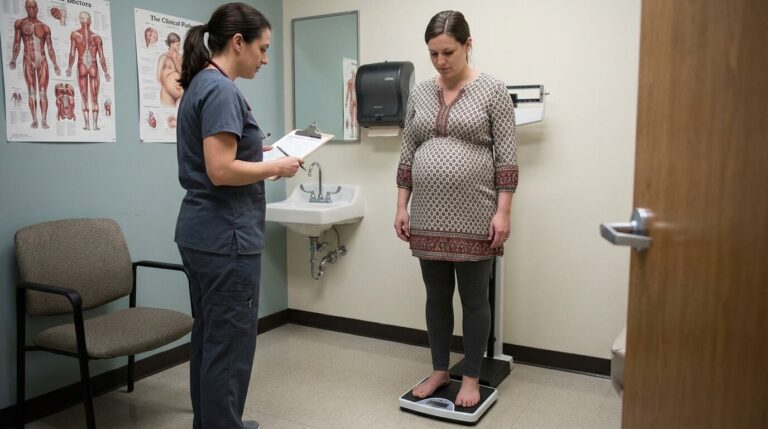
Increase Prenatal Visit Frequency
Starting at week 28, most OB-GYN practices shift prenatal appointments from monthly to every two weeks. After week 36, visits become weekly. These appointments now include:
- Fundal height measurement to track uterine growth
- Blood pressure monitoring for preeclampsia screening
- Group B streptococcus (GBS) swab test between weeks 35 and 37
- Cervical checks beginning around week 36
Choose a Pediatrician
Your newborn will need a pediatrician within the first 48 hours after birth. Many hospitals contact your chosen pediatrician to conduct the first in-hospital newborn exam. Start interviewing candidates now. Key questions to ask:
- Does the practice accept your insurance?
- What are the office hours and after-hours call procedures?
- Which hospital does the pediatrician have privileges at?
- What is the philosophy on vaccination schedules?
Schedule a prenatal consultation visit. Most pediatric practices offer this free of charge.
Review Insurance and Leave Policies
Confirm your maternity leave dates with your employer in writing. Contact your health insurance provider to understand coverage for delivery, anesthesia, and newborn hospital stays. Many insurance plans require you to add the baby within 30 days of birth. Missing this deadline can leave your newborn without coverage.
Start Tracking Kick Counts
Beginning at week 28, monitor your baby’s daily movements. A healthy fetus produces at least 10 distinct movements within a two-hour window. Track kick counts at the same time each day, ideally when the baby is most active (often after meals or in the evening). Report any significant decrease in movement to your provider immediately.
Weeks 31 to 33: Home and Nursery Preparation
Set Up the Sleep Space
The American Academy of Pediatrics recommends room-sharing (but not bed-sharing) for at least the first six months. Your baby’s sleep surface must meet these requirements:
- Firm, flat mattress with a tight-fitting sheet
- No loose items inside the crib or bassinet: no blankets, pillows, bumpers, or stuffed animals
- Bare sleep surface reduces the risk of sudden infant death syndrome (SIDS) by up to 50%
Assemble the crib or bassinet now, while you still have the energy and mobility to manage the physical effort.
Wash Baby Clothing and Linens
Wash all newborn clothing, swaddles, receiving blankets, crib sheets, and burp cloths before first use. Use a fragrance-free, hypoallergenic detergent. Newborn skin is highly sensitive to chemical irritants in standard laundry products.
Sort clothes by size. Newborns grow quickly. Having outfits organized by size (newborn, 0 to 3 months, 3 to 6 months) eliminates the scramble to find something that fits during the first sleep-deprived weeks.
Stock Up on Essentials
Running out of diapers or wipes at 3 a.m. with a screaming newborn is avoidable. Build your complete baby essentials inventory during weeks 31 to 33 while you can still drive comfortably and carry supplies.
Key items to stock:
- Diapers in newborn and size 1 (at least 200 of each)
- Fragrance-free baby wipes (at least 500 count)
- Diaper rash cream (zinc oxide based)
- Bottles and formula (even if you plan to breastfeed, having backup prevents panic)
- Postpartum recovery supplies for yourself: maternity pads, peri bottle, nipple cream
![[nursery room with a white wooden crib and a firm fitted mattress ready for a newborn]](https://babiesparent.com/wp-content/uploads/2026/03/3_Nursery_room_with_202603301339.jpeg)
Weeks 34 to 36: Hospital and Birth Preparation
Pack Your Hospital Bag
Have your hospital bag packed and ready by week 36. Approximately 10% of babies arrive before 37 weeks, and induced labors can happen with little warning. A packed bag removes one major source of stress.
For the mother:
- Photo ID, insurance card, and copies of your birth plan
- Comfortable going-home outfit (pack maternity-sized clothing, not pre-pregnancy)
- Nursing bras and breast pads
- Toiletries, lip balm, and hair ties
- Phone charger with an extra-long cord
- Snacks and a refillable water bottle
For the baby:
- One going-home outfit with a hat and socks
- A soft receiving blanket
- The infant car seat (keep in the car until discharge)
For your partner:
- Change of clothes, toiletries, and snacks
- Camera or phone for photos
- A list of people to notify after delivery
Your detailed hospital bag packing list covers every item organized by category.
Write Your Birth Plan
A birth plan is a one-page document that communicates your preferences to the medical team. Cover these key decisions:
- Pain management: epidural, IV medication, unmedicated, or open to options
- Labor positions: freedom to move, use of birthing ball, squatting bar
- Delivery preferences: delayed cord clamping, immediate skin-to-skin contact
- Newborn procedures: vitamin K injection, eye ointment, hepatitis B vaccine timing
- Feeding plan: breastfeeding, formula, or combination
- Who is in the delivery room: partner, doula, family members
Share the plan with your OB-GYN before week 36. Your provider can flag any preferences that may conflict with hospital policy or your specific medical situation.

Pre-Register at the Hospital
Most hospitals allow you to complete admission paperwork in advance. Pre-registration eliminates the need to fill out forms between contractions. You will need your insurance card, photo ID, and your OB-GYN’s name and practice information.
During pre-registration, ask about:
- Parking procedures and the fastest route to labor and delivery
- Visitor policies and hours
- Whether the hospital provides a birthing tub, birthing ball, or other labor aids
Install the Car Seat
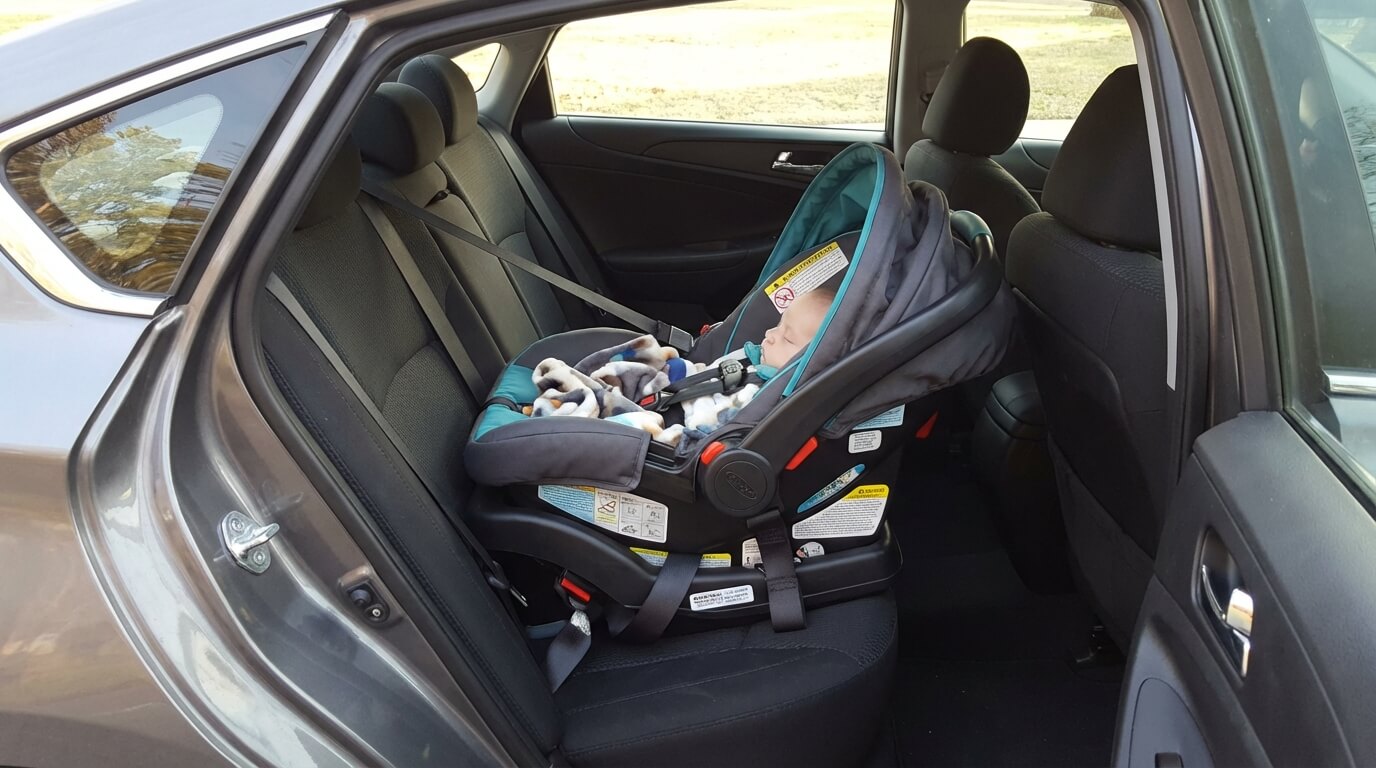
Hospitals will not discharge your baby without a properly installed rear-facing infant car seat. Install it now, not while you are in labor.
The National Highway Traffic Safety Administration (NHTSA) reports that 59% of car seats are installed incorrectly. Schedule a free inspection at a local fire station or hospital-sponsored car seat check event. A certified technician will verify the angle, harness tightness, and base connection.
Weeks 37 to 39: Final Preparations
Learn the Signs of Labor
Understanding the difference between true labor and Braxton Hicks contractions prevents unnecessary trips to the hospital and ensures you arrive when you actually need to.
| Feature | Braxton Hicks (Practice) | True Labor |
|---|---|---|
| Pattern | Irregular, unpredictable | Regular, increasingly closer together |
| Intensity | Stays the same or weakens | Gets progressively stronger |
| Duration | 30 to 60 seconds, no increase | 30 to 90 seconds, increasing |
| Response to movement | Stops when you change position | Continues regardless of activity |
| Location | Front of abdomen | Starts in the back, wraps to the front |
Familiarize yourself with every early indicator that labor is starting so you can time contractions accurately and call your provider at the right moment.
Understand What Happens During Delivery
Labor progresses through three distinct clinical stages: dilation of the cervix, delivery of the baby, and delivery of the placenta. First-time mothers spend an average of 12 to 18 hours in active labor. Second-time mothers average 6 to 8 hours.
Knowing what each stage involves reduces fear and helps you make informed decisions about pain management and intervention options in real time.
Ask About Induction
If your pregnancy extends past your due date or if medical complications arise, your doctor may recommend inducing labor. Induction rates in the United States have risen to approximately 31% of all deliveries, according to the CDC. Understanding the medical process and methods of labour induction before your due date prepares you to make a calm, informed decision if your provider brings it up.
Meal Prep for the Postpartum Period
The first two to four weeks after delivery are physically exhausting. Cooking full meals while recovering from birth and adjusting to a newborn’s feeding schedule is extremely difficult. Prepare and freeze 10 to 15 meals before your due date.
Good options for freezer meals:
- Soups and stews in single-serving containers
- Casseroles and baked pasta dishes
- Breakfast burritos and egg muffins
- Slow-cooker recipes that require minimal prep
Stock your pantry with easy-grab snacks: granola bars, nuts, dried fruit, crackers, and peanut butter. Hydration is critical, especially if you plan to breastfeed. Keep a refillable water bottle accessible at all times.
Finalize Your Support System
Decide who will be available to help during the first two weeks after delivery. Assign specific responsibilities:
- Who will handle meals and groceries?
- Who will care for older children or pets during the hospital stay?
- Who will drive you to postpartum follow-up appointments?
- Who is designated as your overnight relief person?
Having a clear plan reduces decision-making stress during the most sleep-deprived period of your life.
Complete Third Trimester Checklist
| Week | Task | Status |
|---|---|---|
| 28 | Increase prenatal visits to every two weeks | ☐ |
| 28 | Start daily kick count tracking | ☐ |
| 29 | Interview and choose a pediatrician | ☐ |
| 30 | Review insurance coverage and maternity leave | ☐ |
| 31 | Set up crib or bassinet with firm mattress | ☐ |
| 31 | Wash all baby clothes and linens | ☐ |
| 32 | Stock diapers, wipes, and essential supplies | ☐ |
| 33 | Assemble stroller and baby gear | ☐ |
| 34 | Pack hospital bag | ☐ |
| 35 | Write and review birth plan with OB-GYN | ☐ |
| 35 | Pre-register at the hospital | ☐ |
| 35 | Install and inspect infant car seat | ☐ |
| 36 | Begin weekly prenatal appointments | ☐ |
| 37 | Prepare and freeze 10 to 15 postpartum meals | ☐ |
| 37 | Learn signs of labor vs. Braxton Hicks | ☐ |
| 38 | Finalize support system and assign responsibilities | ☐ |
| 39 | Confirm hospital route, parking, and check-in | ☐ |
| 39 | Charge phone, pack charger, test car seat installation | ☐ |
When to Go to the Hospital
Call your provider or go directly to labor and delivery if you experience:
- Contractions that are 5 minutes apart, lasting 1 minute each, for at least 1 hour (the 5-1-1 rule)
- Your water breaks (a gush or continuous trickle of clear fluid)
- Vaginal bleeding that is heavier than light spotting
- Severe headache with vision changes or sudden facial swelling (preeclampsia warning signs)
- Decreased fetal movement that does not improve after eating and lying on your side
Conclusion
The third trimester moves faster than the first two combined. Starting your preparation at week 28 and following a weekly task schedule ensures every critical item is handled before contractions begin. Print this checklist, check off each task as you complete it, and share it with your partner so both of you know exactly what still needs to happen before the baby arrives.
References
[1] American Academy of Pediatrics. (2024). “Safe Sleep: Back is Best.” Retrieved from aap.org
[2] National Highway Traffic Safety Administration. (2024). “Car Seat Inspection.” Retrieved from nhtsa.gov
[3] American College of Obstetricians and Gynecologists (ACOG). (2024). “How to Tell When Labor Begins.” Retrieved from acog.org
[4] Centers for Disease Control and Prevention. (2024). “Births: Final Data.” Retrieved from cdc.gov


![[variety of unsafe pregnancy foods including raw sushi deli meat soft cheese and raw eggs on a kitchen counter]](https://babiesparent.com/wp-content/uploads/2026/03/1_Unsafe_pregnancy_foods_202603301142-768x429.webp)