You threw away the birth control. You started tracking your cycle. You bought the ovulation tests. And yet, month after month, you’re staring at one line instead of two.
If that sounds familiar, you’re not alone. Even perfectly healthy couples only have about a 20-25% chance of conceiving in any given month1. That’s not a flaw – it’s just biology. But it does mean the right timing, good nutrition, and a few key habits can make a real difference in how quickly you increase your chances of getting pregnant naturally.
In this article, we’ll walk through 10 evidence-based strategies – covering everything from understanding your fertile window, to what to eat, how stress affects your hormones, and when it’s time to talk to a doctor.

1. Know Your Fertile Window – and Time Sex Accordingly
This is the foundation of everything. You can eat all the right foods and take every recommended vitamin, but if you’re not timing intercourse with your fertile window, you’re working against biology.
Your fertile window is the 5-6 days leading up to and including ovulation. Here’s why it matters: sperm can survive in the female reproductive tract for up to 5 days, but once an egg is released, it’s only viable for 12-24 hours2. That means having sperm waiting before the egg arrives is far more effective than trying to “catch” ovulation after the fact.
What to do: Have sex every 1-2 days during your fertile window, rather than trying to pinpoint one exact day. Many couples spend months trying to hit ovulation on a single day and keep missing it.
In a regular 28-day cycle, ovulation typically happens around day 14. But cycles vary between women – and even month to month – which is exactly why tracking methods are so valuable.
2. Track Ovulation So You Can Find Your Fertile Window
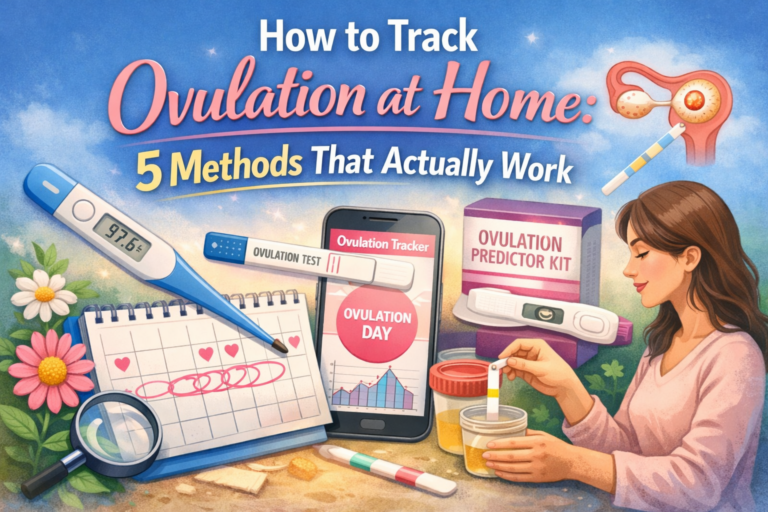
Knowing your fertile window exists is one thing. Knowing when it falls in your cycle is another. There are three main methods to track ovulation, and using two together gives you the clearest picture.
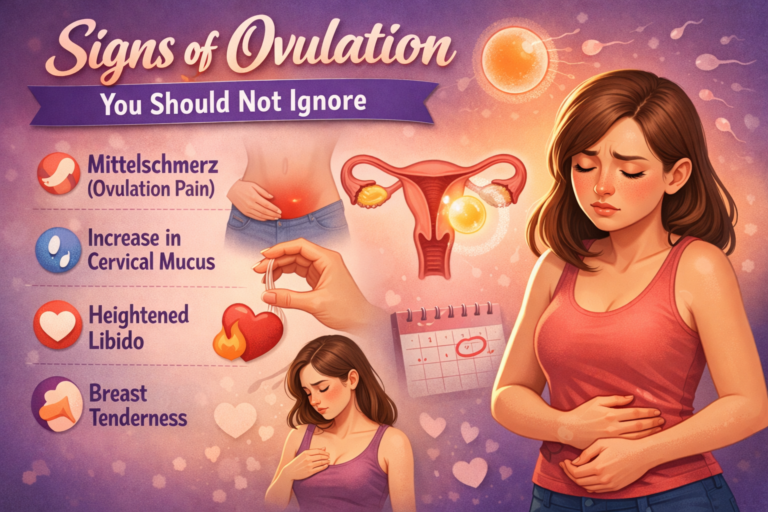
Cervical mucus monitoring is one of the most reliable natural indicators. In the days approaching ovulation, discharge shifts from thick and cloudy to clear, slippery, and stretchy – similar to raw egg whites. This change signals that your most fertile days have arrived.
Basal body temperature (BBT) involves taking your temperature every morning before getting out of bed. Your resting temperature rises slightly after ovulation due to the hormone progesterone (a natural hormone that surges after ovulation to help prepare the uterine lining). BBT tracking is better for identifying patterns over several cycles than for predicting ovulation in the moment.
Ovulation predictor kits (OPKs) detect the surge in luteinizing hormone (LH) that triggers ovulation – usually 24-36 hours before the egg is released. These are the most actionable tool for timing intercourse, since they tell you ovulation is coming, not that it’s already happened.
Paying attention to the signs of ovulation you should not ignore – including changes in cervical mucus, mild one-sided cramping, and slight breast tenderness – can help you read your body’s signals with more confidence3.
3. Eat a Fertility-Friendly Diet
Once you’ve got timing down, nutrition is the next major lever to pull. What you eat has a meaningful effect on reproductive health for both partners – influencing hormone production, egg quality, ovulation frequency, and sperm health.
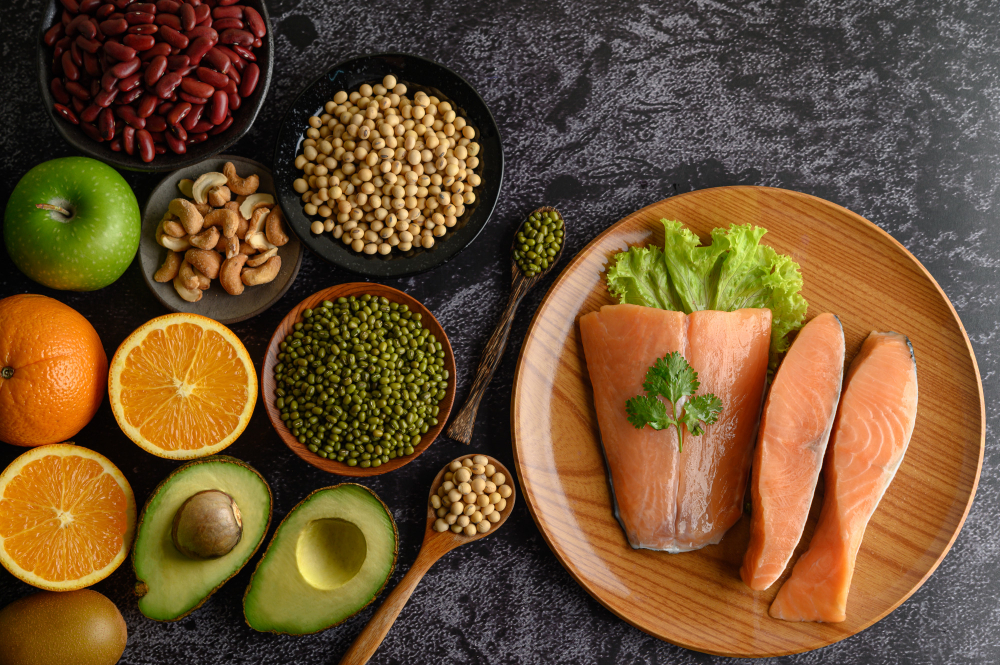
The dietary pattern most consistently linked to better fertility outcomes is the Mediterranean diet, which centers on vegetables, fruits, whole grains, legumes, nuts, olive oil, and fatty fish – with limited red meat and processed foods4.
Foods to focus on:
- Leafy greens and folate-rich foods (spinach, kale, lentils, beans) – folate is essential for cell division, healthy egg development, and early fetal formation
- Fatty fish (salmon, sardines, mackerel) – omega-3 fatty acids regulate reproductive hormones; couples who eat more seafood have been shown to conceive faster5
- Berries and colorful vegetables – rich in antioxidants that protect eggs and sperm from oxidative damage
- Whole grains (brown rice, quinoa, oats) – stabilize blood sugar and support hormonal balance
- Full-fat dairy (in moderation) – some studies link it to a lower risk of ovulatory infertility
- Legumes and plant proteins – replacing some animal protein with plant-based sources is associated with reduced risk of ovulation disorders
Foods to limit or avoid:
- Trans fats (processed snacks, margarine, fast food) – directly linked to increased infertility risk
- Refined carbohydrates and added sugar – spike blood sugar and disrupt reproductive hormone cycles
- High-mercury fish (swordfish, king mackerel, shark) – opt for low-mercury options like salmon or sardines
- Excessive red meat – associated with negative effects on fertility and embryo quality
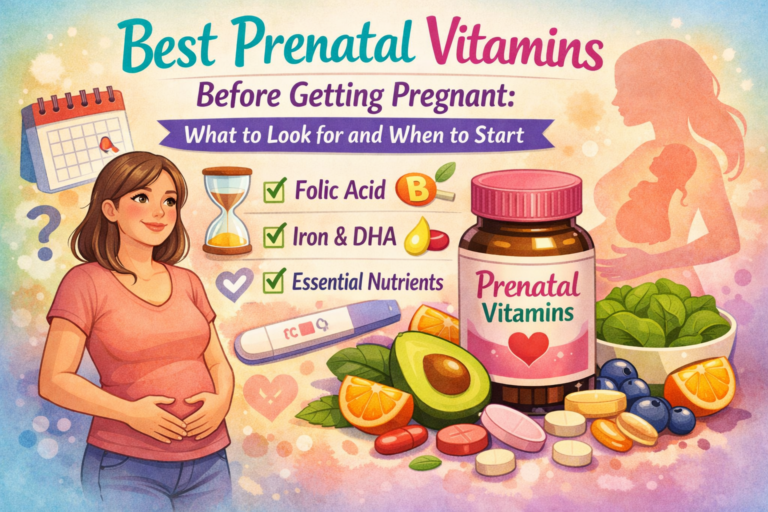
4. Start Taking a Prenatal Vitamin Before You Conceive
Many people think prenatal vitamins are for pregnancy. In reality, they’re most valuable in the weeks and months before you conceive.
Folic acid is the most important nutrient to start now. At least 400 mcg per day before conception is linked to lower infertility frequency, fewer pregnancy losses, and better outcomes in fertility treatment6. Your doctor may recommend 600-800 mcg if you have a family history of neural tube defects.
Other key nutrients to look for in a prenatal:
- Vitamin D – deficiency is surprisingly common and can disrupt reproductive hormone production
- Iron – supports healthy ovulation and menstrual function
- CoQ10 – an antioxidant that supports egg and sperm quality; research suggests it may be especially beneficial for women over 35
- Omega-3 fatty acids – if your fish intake is low, a supplement fills the gap
For men, zinc, vitamin C, and CoQ10 may improve sperm count and motility. Both partners supporting their nutrition going in gives you the strongest foundation.
Always check with your doctor before adding any supplement to your routine, especially if you’re on other medications.
5. Reach and Maintain a Healthy Weight
Body weight affects fertility more directly than most people expect. Both extremes – being significantly underweight or overweight – can disrupt ovulation and reduce your odds of conceiving.
Excess body fat causes the body to produce more estrogen than it needs, disrupting the hormonal signals that control ovulation. Women with a BMI above 30 often experience irregular cycles or stop ovulating altogether7. On the other end, being underweight can halt ovulation entirely as the body goes into a kind of “energy conservation mode” – something commonly seen in athletes and those with very low body fat.
A BMI between 20 and 25 is associated with the best fertility outcomes. If your weight is affecting your cycles, even a modest 5-10% shift in body weight can restore regular ovulation for many women.
This applies to men too: obesity in men is linked to lower testosterone, reduced sperm quality, and increased DNA damage in sperm – all of which matter to your chances as a couple.
6. Exercise – But Find the Right Balance
Regular physical activity benefits fertility in multiple ways: it improves insulin sensitivity, supports a healthy weight, lowers chronic stress hormones, and helps regulate overall hormonal balance.
The key word is “moderate.” Activities like walking, swimming, yoga, and light aerobics are genuinely beneficial. Aiming for about 30 minutes of moderate movement most days is a solid target.
Where things shift is at the extreme end. High-intensity, high-volume training – marathon preparation, two-a-day workouts – has been linked to suppressed ovulation in some women, particularly those who are already lean. If your periods have become irregular since starting a new intensive program, it’s worth a conversation with your doctor.
For men, moderate exercise improves sperm quality. Just avoid hot yoga, saunas, or anything that significantly raises scrotal temperature for extended periods – heat can temporarily lower sperm count.
7. Manage Stress – Your Hormones Are Listening
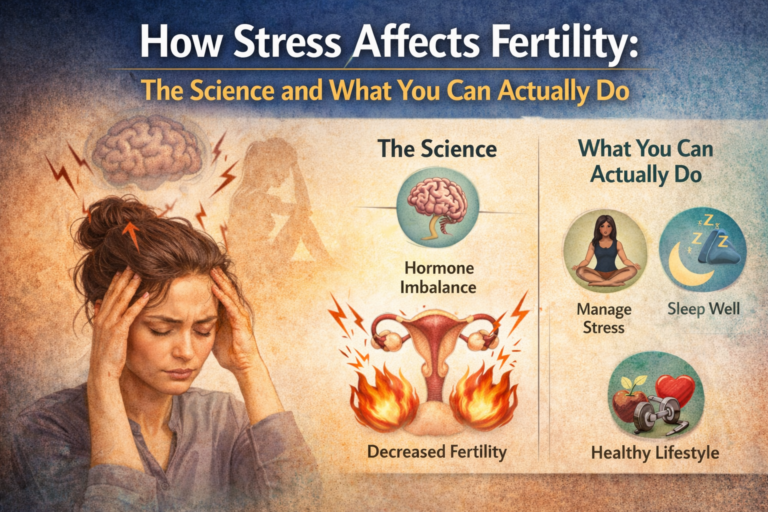
Stress alone won’t prevent you from getting pregnant. But chronic, sustained high stress does make conception harder – and the reason is hormonal.
When you’re under prolonged stress, your body releases cortisol. Elevated cortisol can interfere with estrogen, progesterone, luteinizing hormone (LH), and gonadotropin-releasing hormone (GnRH) – all of which are essential for a regular cycle and successful ovulation8. A 2024 observational study found that preconception psychological stress in women was negatively associated with achieving a live birth. A 2023 study found that men experiencing chronic stress showed a 25% decrease in sperm motility.
What actually helps:
- Mindfulness and meditation – even 10 minutes daily can meaningfully lower cortisol
- Yoga – combines movement with breathwork for a double fertility benefit
- Journaling – externalizing worries reduces rumination
- Therapy or counseling – especially valuable when the fertility journey itself has become a source of anxiety (a cycle many couples experience)
- Acupuncture – some research suggests it may support fertility outcomes, and many people find it deeply calming
Understanding how stress affects fertility at a hormonal level can help you take the connection seriously – without turning stress about stress into another problem.

8. Quit Smoking, Cut Back on Alcohol, and Watch Your Caffeine
These are among the clearest-cut lifestyle factors affecting fertility – and the most within your control to change.
Smoking is one of the most damaging habits for reproductive health. It reduces egg quality and ovarian reserve in women and lowers sperm count and motility in men. It also significantly increases miscarriage risk9. Both partners quitting before trying to conceive is one of the highest-impact changes you can make.
Alcohol impairs fertility in both men and women. Heavy drinking disrupts ovulation and reduces testosterone and sperm quality in men. The safest approach when actively trying to conceive is to eliminate alcohol, or limit it to very occasional, light consumption outside your fertile window.
Caffeine is less black-and-white. Most research suggests that under 200 mg/day – roughly one 12 oz cup of coffee – does not significantly impact fertility. Limiting it is sensible, but don’t stress if you need your morning cup.
One more commonly overlooked factor: lubricants. Many standard lubricants, including some marketed as “natural,” can reduce sperm motility. If you need lubrication during intercourse while trying to conceive, opt for products specifically labeled as sperm-friendly, or use plain mineral oil or canola oil as an alternative.
9. Optimize Male Fertility Too
About half of all infertility cases involve male factors – yet most TTC advice still focuses primarily on women. Fertility is a partnership, and both people’s reproductive health counts.
The encouraging news: sperm health responds relatively quickly to lifestyle changes, because sperm are continuously produced – improvements in diet and daily habits typically show up in sperm quality within 2-3 months. That’s a real and meaningful opportunity.
What men can do:
- Eat a nutrient-rich diet with zinc (oysters, beef, pumpkin seeds), vitamin C (citrus, bell peppers), and antioxidants
- Consider a male fertility supplement with zinc, CoQ10, and vitamin C if diet alone isn’t enough
- Quit smoking and significantly reduce alcohol consumption
- Keep the testicles cool: avoid hot tubs, saunas, laptops resting directly on the lap, and very tight underwear
- Exercise moderately and maintain a healthy weight
- Actively manage stress
If there’s any prior history of reproductive issues, testicular injury, infections, or known semen abnormalities, a semen analysis early in the process is a smart, proactive step rather than waiting.
10. Know When to See a Doctor
Trying naturally is the right first step for most couples. But there are clear timeframes at which a professional evaluation makes sense – and waiting beyond them rarely helps.
General guidelines:
- Under 35: See a doctor after 12 months of regular, unprotected sex without conception
- Ages 35-39: See a doctor after 6 months
- Over 40: Don’t wait – seek an evaluation right away
Seek earlier evaluation if you have:
- Irregular or absent periods (a sign of irregular or absent ovulation)
- A diagnosis of PCOS, endometriosis, or uterine fibroids
- A history of STIs that may have caused tubal damage
- Two or more miscarriages
- A partner with known sperm concerns
Seeing a doctor doesn’t mean being fast-tracked to IVF10. Many couples are helped by simple, targeted interventions – medication to regulate ovulation, treating an underlying infection, or confirming that timing and technique are working.

Frequently Asked Questions
What is the fastest way to get pregnant naturally?
Time intercourse within your fertile window (the 5-6 days leading up to ovulation), have sex every 1-2 days during that period, and support both partners’ health through a fertility-friendly diet, targeted supplements, and lifestyle habits. Most couples with no underlying conditions conceive within 6-12 months.
Can what I eat really affect my fertility?
Yes – particularly when it comes to ovulation. A Mediterranean-style diet, adequate folic acid, omega-3 fatty acids, and antioxidant-rich foods have all been shown in research to support reproductive health for both men and women. Avoiding trans fats, refined sugar, and high-mercury fish also matters.
Does stress cause infertility?
Not directly, but it can make conception harder. Chronic stress elevates cortisol, which interferes with the reproductive hormones needed for regular ovulation. Managing stress is a legitimate part of a fertility-friendly lifestyle.
What supplements help boost fertility naturally?
For women: folic acid (at least 400 mcg), vitamin D, iron, omega-3 fatty acids, and CoQ10. For men: zinc, vitamin C, and CoQ10. Talk to your doctor before adding new supplements, especially if you’re taking other medications.
How long should we try before seeing a fertility specialist?
Under 35: try for 12 months. Ages 35-39: try for 6 months. Over 40, or with known conditions like PCOS, endometriosis, or irregular cycles: seek evaluation earlier.
Final Thoughts
Getting pregnant naturally is a numbers game with many variables in play – some within your control, some not. The 10 strategies in this article won’t guarantee a positive test on a specific timeline, but they are the best evidence-based approaches for putting your body in the best possible position.
Start with the basics: understand your fertile window and time intercourse accordingly. Then build from there – eating well, managing stress, quitting smoking, reducing alcohol, and making sure your partner is actively on board. It’s a team effort from day one.
And if the months keep passing without success, please don’t hesitate to reach out to your doctor. An evaluation is a proactive step – not a last resort – and often brings clarity and a clear path forward far sooner than continued waiting would.
You’ve got more control over this than you might think – start with one or two changes today.
- Natural Cycles – Conception rates by age, https://www.naturalcycles.com/cyclematters/how-long-does-it-take-to-get-pregnant
- Mayo Clinic – Getting Pregnant: What You Need to Know, https://www.mayoclinic.org/healthy-lifestyle/getting-pregnant/in-depth/how-to-get-pregnant/art-20047611
- WebMD – Signs of Ovulation, https://www.webmd.com/baby/understanding-ovulation
- NIH – Diet and Female Fertility: Doctor, what should I eat? https://www.ncbi.nlm.nih.gov/pmc/articles/PMC6079277
- Harvard T.H. Chan School of Public Health – Seafood consumption and time to pregnancy, https://www.health.harvard.edu
- American Pregnancy Association – Folic Acid Before Pregnancy, https://americanpregnancy.org/getting-pregnant/planning/folic-acid-before-pregnancy
- Mayo Clinic – Infertility: Symptoms and Causes, https://www.mayoclinic.org/diseases-conditions/infertility/symptoms-causes/syc-20354317
- NIH – Stress and female reproductive function, https://pubmed.ncbi.nlm.nih.gov
- Fertility Network UK – How to Improve Your Fertility, https://fertilitynetworkuk.org/how-to-improve-your-fertility
- NHS UK – How long does it usually take to get pregnant? https://www.nhs.uk/pregnancy/trying-for-a-baby/how-long-it-takes-to-get-pregnant